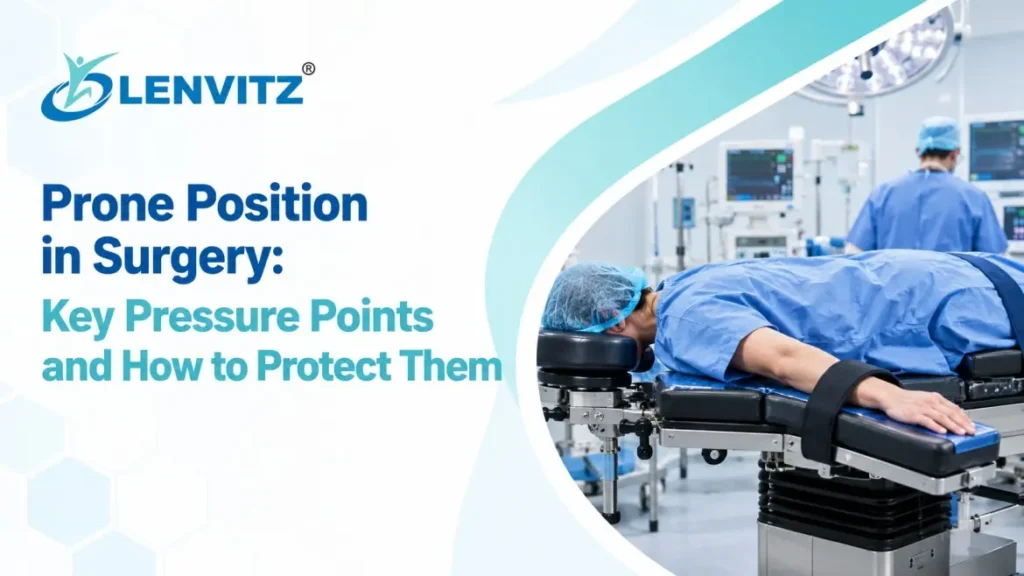

In the complex ecosystem of the Operating Theatre (OT), the success of a surgical procedure is usually attributed to the surgeon’s skill and the precision of the technology used. However, a silent but equally critical factor in patient recovery is surgical positioning. While the supine position (lying face up) is standard, many advanced spinal, neurological, and posterior procedures require the prone position (lying face down).
The prone position offers unparalleled access to the posterior anatomy, but it introduces significant physiological risks. Chief among these is peripheral nerve stress. Without the use of specialized prone position gel pads, specifically the armrest gel pad, a patient is at high risk of waking up with permanent nerve deficits.
The Biomechanics of Nerve Injury in the Prone Position
When a patient is placed in the prone position, the natural alignment of the musculoskeletal system is altered. Under general anaesthesia, the body’s “protective reflex”—the ability to feel pain and shift weight is entirely disabled.
The Vulnerability of the Ulnar Nerve
The ulnar nerve runs through the cubital tunnel at the elbow. It is one of the most frequently injured nerves during surgery because it lies directly between the skin and the bone, with almost no natural fat for padding. When an arm is placed on a standard arm board, the weight of the entire limb presses this nerve against the hard surface. If a dedicated armrest gel pad is not used, interface pressure exceeds capillary refill pressure, leading to ischemia (lack of blood flow) and potential nerve damage.
The Brachial Plexus and Hyperabduction
In the “cactus” or “surrender” position often used in prone surgeries, the arms are extended outward. If the arms are extended beyond 90 degrees (hyperabduction), the brachial plexus the network of nerves in the shoulder is stretched against the first rib. This can lead to brachial plexus palsy, resulting in significant motor weakness that can take months of physical therapy to resolve.
Why the Arm Rest Gel Pad is the Solution
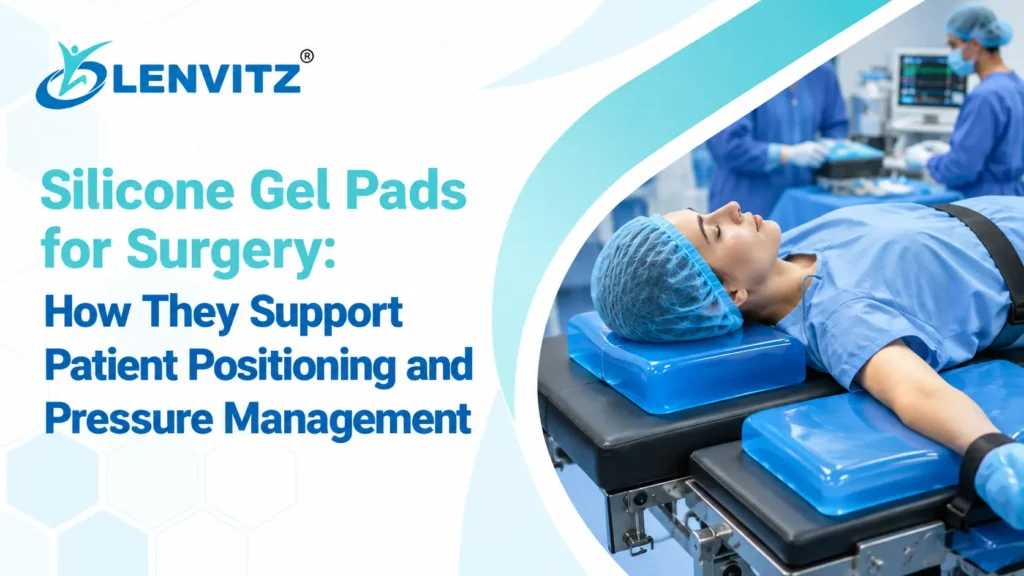
The primary goal of an armrest gel pad is to facilitate “pressure redistribution.” Standard polyurethane foam is often used in hospitals due to its low cost. Still, it fails in long-duration surgeries (those exceeding two hours) where the material loses its ability to support weight.
Viscoelastic Properties of Silicon Gel
Unlike foam, which has a “memory” and eventually flattens out, viscoelastic gel pads behave like a fluid while maintaining the stability of a solid.
- Contouring: The gel “envelops” the elbow and forearm, increasing the contact surface area. This reduces the concentrated pressure on the ulnar nerve.
- Shock Absorption: During orthopaedic spinal surgeries, mechanical vibrations from instrumentation can travel through the table. High-quality gel absorbs these vibrations, protecting sensitive nerve endings.
- Shear Reduction: “Shear” occurs when the skin remains in place while the underlying bone moves. The silicon skin of an armrest gel pad moves with the patient’s skin, preventing friction-related injuries.
Comprehensive Prone Position Gel Pads: A Total Safety Setup
While the arms are a primary concern, a successful prone procedure requires a complete set of specialised equipment to manage the patient’s physiological state as a whole.
The Prone Head Positioner (Horseshoe Pad)
In the prone position, the head must be supported while allowing for anaesthesia tubes. Direct pressure on the eyeballs can cause Ischemic Optic Neuropathy (ION), leading to permanent vision loss. A horseshoe Head Gel Pad ensures the eyes and nose remain “free” while the forehead and cheekbones safely carry the weight.
Chest and Pelvic Bolsters
The patient’s chest must be supported so the lungs can expand freely. Prone-position gel pads, designed as bolsters, lift the torso, preventing compression of the abdomen. This prevents pressure on the inferior vena cava, which is vital for maintaining healthy blood pressure during cardiac and spinal surgeries.
Comparison: Silicon Gel vs. Standard Foam Supports
| Feature | Medical-Grade Silicon Gel | Disposable/Standard Foam |
| Material Integrity | Does not “bottom out” over time. | Flattens within 60-90 minutes. |
| Infection Control | 100% waterproof; non-porous. | Porous; can absorb blood/fluids. |
| Reusability | Reusable for up to 5 years. | Single-use; creates recurring waste. |
| Nerve Safety | Significantly reduces nerve palsy risk. | High risk of localized pressure sores. |
| Stability | High friction; prevents sliding. | Low friction; arms can slip. |
Maintenance and Clinical Best Practices
To maintain the life of an armrest gel pad and ensure it provides maximum protection, surgical staff should follow strict maintenance protocols:
- Cleaning: Use pH-neutral hospital-grade disinfectants. Harsh acidic or alkaline cleaners can cause the outer skin of the gel to become brittle and crack.
- Storage: Store pads flat in a cool, dry place. Never stack heavy metal instruments on top of gel pads, as this can permanently deform the viscoelastic structure.
- Visual Inspections: Before every surgery, staff should check for “pitting.” If a finger press leaves a permanent indentation, the gel has failed, and the pad should be replaced.
Frequently Asked Questions (FAQs)
The primary cause is prolonged, localized pressure on the cubital tunnel at the elbow. Without an arm rest gel pad, the weight of the arm compresses the nerve against the hard surface of the surgical table.
Yes. High-quality prone position gel pads are radiolucent, meaning they do not interfere with X-rays or C-arm imaging. This is crucial for spinal surgeries where intraoperative imaging is frequently used.
Ensure the arms are not abducted beyond 90 degrees and use an arm rest gel pad that is level with the patient’s chest. This prevents the “sagging” of the shoulders that stretches the nerve network.
Absolutely. Pediatric patients have thinner skin and less body fat, making specialized gel pads essential to protect their delicate anatomy during long procedures.
Conclusion: Finding Better Value Through Safety
In the modern healthcare economy, actual value lies at the intersection of clinical excellence and financial sustainability. While a set of prone position gel pads represents an upfront cost, the long-term benefit is undeniable.
When a facility chooses a high-quality armrest gel pad, they are investing in an insurance policy against nerve damage and skin necrosis. These tools offer better value because they are reusable, easy to disinfect, and provide the most reliable patient protection. By prioritising the durability of silicon and the precision of viscoelastic support, hospitals ensure superior surgical outcomes and a safer environment for every patient.