
Living with tailbone pain can turn daily activities into painful difficulties. Coccydynia, which is the medical term used to describe pain in the tailbone, affects people of all ages and lifestyles. Specialized coccydynia cushions are a good and non-invasive treatment for this condition. This guide investigates the clinical application and patient benefits provided by these types of therapeutic cushions, which include gel cushions and silicon gel pads.
Understanding Coccydynia
Coccydynia is defined as pain in the coccyx area at the bottom of the spine. This little bone supports the pelvis and is an attachment point for the muscles, ligaments, and tendons. When damaged or inflamed, it causes constant discomfort, significantly affecting the quality of life.
Common causes include falls, sitting on hard surfaces for long periods of time, childbirth, and degenerative joint disease. Conservative treatment is successful in about 90% of cases, and specialized cushions form a cornerstone in this treatment.
How Coccydynia Cushions Operate
Coccydynia cushions are designed in an ergonomic way that helps to relieve pressure on the tailbone and improve the alignment of the spine. These cushions have a U-shaped or wedge cutout that prevents contact between the coccyx and the seating surface.
- Pressure Redistribution: The unique design shifts weight away from the tailbone and toward the sitting bones, significantly reducing stress on the coccyx. Studies show that properly designed cushions increase blood flow and relieve pressure on the tailbone.
- Postural Support: Many cushions feature a wedge angle that promotes anterior pelvic tilt to keep the spine in its natural curve and thus reduce muscle tension.
- Material Technology: Today’s cushions are made with memory foam, gel-infused foam, and medical-grade silicone gel, which mold to the contours of the body while providing durable support.
Types of Coccydynia Cushing
Memory Foam Cushions
Memory foam conforms to your body shape, evenly distributing weight and avoiding pressure points. These cushions are highly durable supports that are ideal for office workers who spend long hours sitting at their desks.
Gel Cushions, and Silicon Gel Pads
Gel cushions have unparalleled pressure relief with silicone or polymer materials:
- Superior pressure Distribution: Distribute weight evenly to seating surfaces
- Temperature Regulation: Excellent heat dissipation to keep the product cool when working for long periods of time
- Conforming Support: Medical-grade silicon gel pads conform to the body contours.
- Durability: Retain supporting properties over time
Silicon gel pads, developed for medical use such as surgical positioning, are especially helpful for the management of coccydynia due to the cushioning and friction-reduction they provide.
Wedge-Style Cushions
Clinical research proves that wedge cushions often give better relief than donut-shaped cushions. The wedge design promotes forward weight distribution and opens up the hip angle, which is great when it comes to car seats.
Clinical Applications
- Post-Injury Recovery: After coccygeal fractures or ligament tears, cushions take the strain off injured areas, assisting in healing while still maintaining daily activities.
- Postpartum Relief: New mothers suffering from trauma from childbirth get safe and gentle relief during breastfeeding and other activities without medication.
- Chronic Pain Management: In the case of chronic coccydynia, the use of cushions is coupled with physical therapy and medications in a multi-dimensional approach to treatment.
- Occupational Support: Office workers and drivers alleviate the discomfort in the workplace, making them more productive and helping to avoid the development of pain.
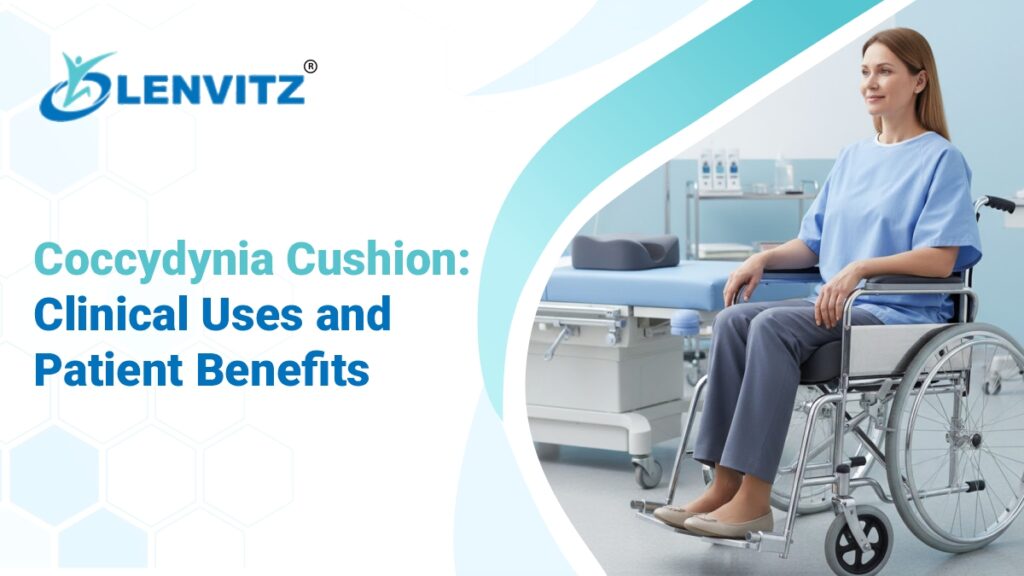
- Wheelchair Users: Gel cushions and silicon gel pads help to reduce the risks of pressure sores while offering comfort while immobilized for extended periods of time.
Patient Benefits Supported by the Research
- Pain Reduction: There have been clinical studies that confirm the use of coccyx cushions with appropriate cut-outs in dealing with tailbone pain, when used on a consistent basis.
- Improved Posture: Ergonomic designs encourage proper pelvic alignment. Biomechanical studies determined that cushions with cut-outs promote anterior pelvic tilt to support the natural curvature of the lumbar spine.
- Improved Quality of Life: By reducing pain associated with sitting, cushions allow one to participate more fully in work, social activities, and daily tasks.
- Prevention of Complications: Correct usage is helpful in the prevention of compensatory postural problems that can cause further musculoskeletal problems.
- Non-Invasive Option: Cushions are an effective relief option without the need for medications, injections, and surgery, and are ideal for conservative management.
Selecting the Right Cushion
- Activity Considerations: Larger cushions with lumbar support may be preferred by office workers, while travelers prefer compact, portable options.
- Material Preferences: Use memory foam for conventional cushioning, gel pads for temperature control, or combinations of both. Silicon Gel Pads Granted Support Medical Grade
- Size and Portability: Ensure that the fit of your seating surfaces is correct. Many have carry handles for easy transport.
- Cover Quality: Look for breathable, washable covers in moisture-wicking fabrics.
Proper Use Guidelines
- Positioning: Put the cushion with the cut-out in the back with your tailbone. Sit back such that proper support is provided.
- Back Support: Use chairs that provide proper support for the back, avoiding strain to the lower back.
- Foot Positioning: Use footrests, if necessary, as cushions increase the height of the seating by several inches.
- Consistency: Be consistent with your use of cushions by using them regularly whenever you sit for a long period of time for the best results.
Complementary Treatment Methods
Cushions work best when used in conjunction with:
- Physical therapy of pelvic floor muscles
- Training in proper sitting posture
- Regular movement breaks
- Appropriate management of the pain
- Ergonomic workplace modifications
Evidence-Based Effectiveness
Systematic reviews of the treatments for coccydynia have confirmed the value of conservative management, and specialized cushions have been central to this. Research analyzing almost 2,000 patients from 64 different studies found that conservative treatments, such as making changes to seating, cause significant relief for most people.
Physical therapy-based interventions together with ergonomic adaptations are particularly promising, and studies indicate that proper positioning aids can reduce pain and promote function.
Read More: How a Coccydynia Cushion Supports Your Spine and Soothes Tailbone Pain
Conclusion
Coccydynia cushions, especially gel cushions and silicon gel pads, are useful, evidence-based medications for the treatment of tailbone pain. As a result, by redistributing pressure, promoting spinal alignment, and providing comfortable support, these cushions have significant benefits in diverse patient populations.
Whether recovering from injury, dealing with chronic pain, or simply looking to get comfortable at work, the right coccydynia cushion makes a huge difference in how you perform your daily life and live it to the fullest. When the right ones are chosen and used regularly as part of a comprehensive treatment, these aids help innumerable individuals to get comfortable again despite their tailbone pain.
FAQ’S
Most people notice relief within 1-2 weeks of consistent use. Some feel immediate comfort, while others need a bit longer to adjust. The key is using your gel cushion or memory foam cushion every time you sit – at work, in the car, and at home. Pair it with good posture and regular breaks for best results.
Both work well, but gel cushions and silicon gel pads have some advantages. They stay cooler during long sitting sessions, distribute pressure more evenly, and last longer without losing shape. Memory foam is great too – it molds to your body nicely. If you run hot or sit for many hours, go with a gel pad. For general office use, either works fine.
Wedge cushions are much better for tailbone pain. Research shows people prefer them nearly 5 times more than donut cushions. A wedge coccydynia cushion with a cut-out keeps your spine aligned properly, while donut shapes can actually make you slouch. Save the donuts for hemorrhoid relief – go wedge for coccyx pain.
Absolutely! Car seats actually make tailbone pain worse because they tilt backward. A silicon gel pad or wedge cushion in your car is a game-changer. Just position the cut-out at the back where your tailbone sits. You might need to adjust your seat height a bit since the cushion adds a couple inches.
Simple – your tailbone should float in the cut-out without touching anything. The gel cushion supports your sitting bones and thighs, not your coccyx. Sit all the way back, make sure the opening aligns with your tailbone, and check that your feet reach the floor (use a footrest if needed). If it feels right and reduces pain, you’ve nailed it.