
Silicon gel pads have become an essential tool in the medical field, known for providing comfort, protection, and support during various medical procedures. These pads are made from medical-grade silicone, renowned for its flexibility, durability, and hypoallergenic properties. Silicon gel pads are primarily used in patient positioning during surgeries, helping to distribute pressure evenly across the body, thereby reducing the risk of pressure ulcers, nerve damage, and skin injuries. Their adaptability allows them to conform to the patient’s body, ensuring maximum comfort while maintaining stability during procedures.
Choosing the right silicon gel pads for your medical facility is crucial to ensuring patient safety and enhancing surgical outcomes. With a wide variety of pads available, each designed for specific applications and body parts, understanding the unique features and benefits of these pads can help you make informed decisions.
Understanding the Importance of Silicon Gel Pads
Silicon gel pads play a vital role in patient care, particularly in preventing pressure ulcers and ensuring comfort during extended periods of immobilization. Pressure ulcers, also known as bedsores, occur when prolonged, pressure restricts blood flow to the skin and underlying tissues, leading to tissue damage. Silicon gel pads are designed to distribute pressure evenly across the body, reducing the risk of these painful and potentially serious ulcers. By conforming to the patient’s body shape, these pads minimize pressure points, allowing for better circulation and reducing the likelihood of skin breakdown.
In addition to preventing pressure ulcers, silicon gel pads enhance patient comfort during surgeries and other medical procedures where patients must remain immobile for long durations. The soft, flexible nature of silicone allows the pads to adapt to the body’s contours, providing a cushioning effect that alleviates discomfort.
Types of Silicon Gel Pads
Supine & Lithotomy Position Pads
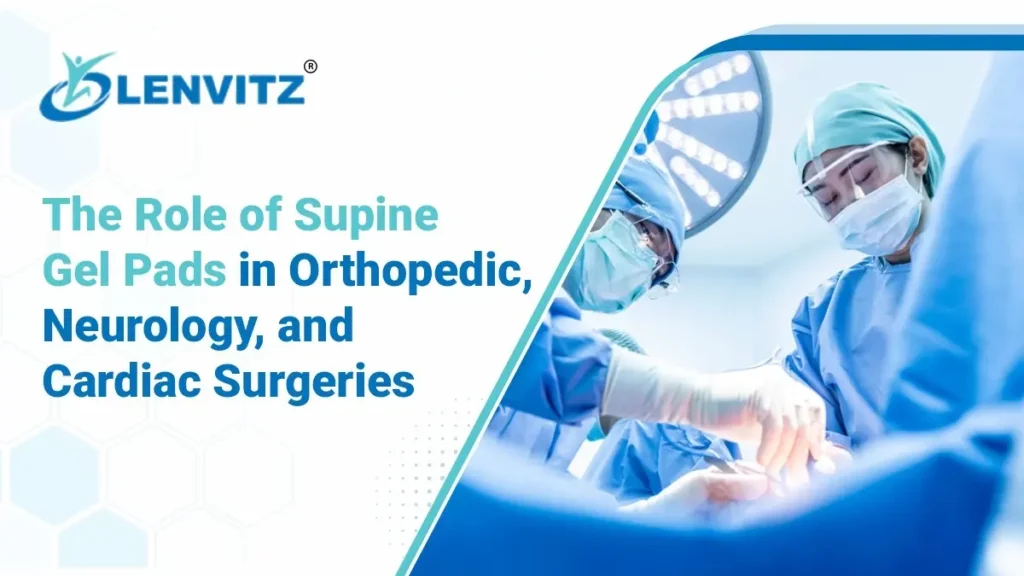
These provide support and pressure relief for patients lying on their backs, as in the supine or lithotomy positions. They help to cushion the sacral area and prevent pressure on the lower back, hips, and heels.
Prone Position Pads
Prone position gel pads are used when patients need to lie face down. These pads are essential for protecting the face, chest, and knees from pressure and friction, which can lead to skin breakdown and nerve damage.
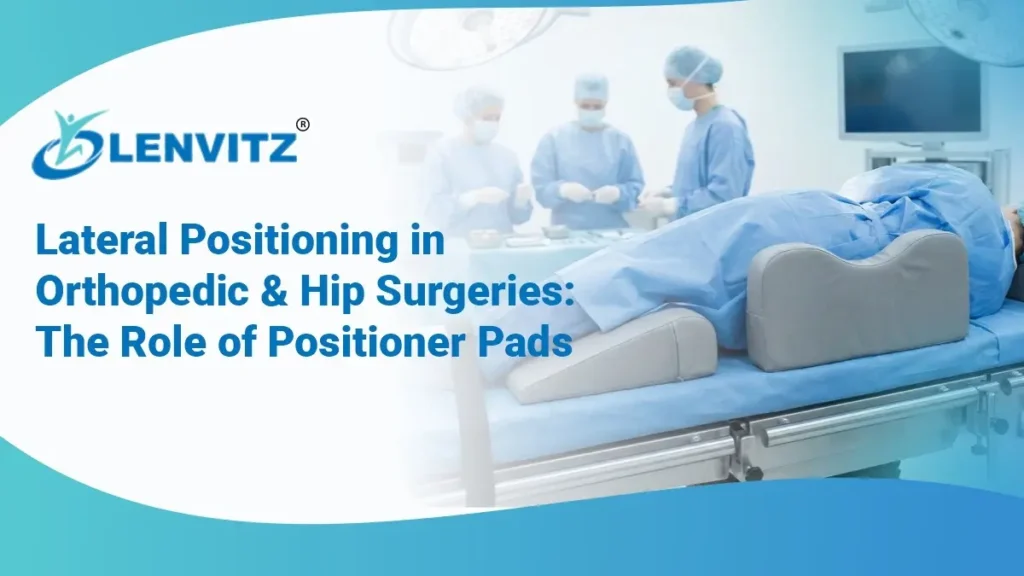
Lateral Positioned Pads
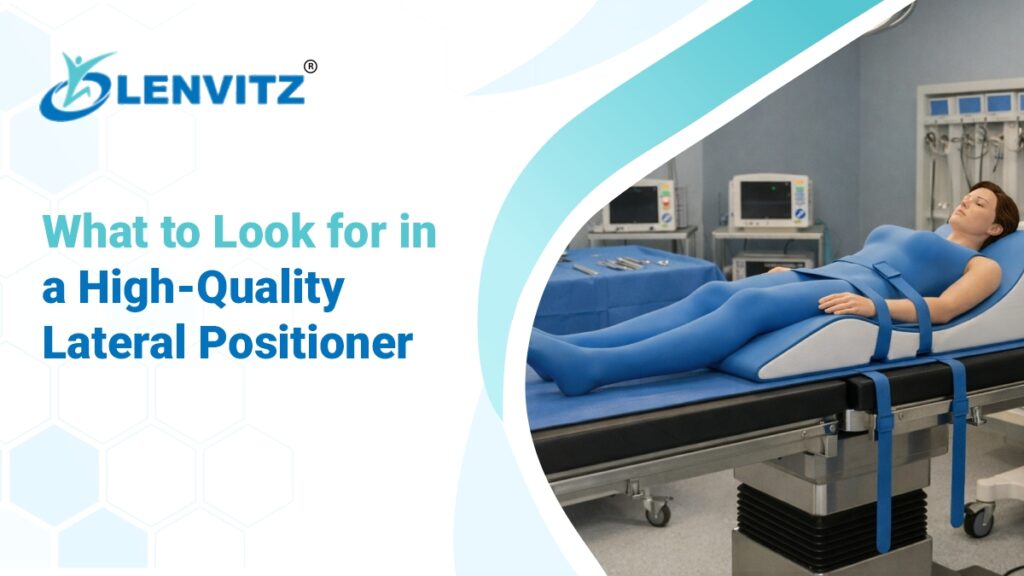
These pads support patients lying on their sides, helping maintain proper spine alignment and reducing pressure on the shoulders, hips, and knees. They are beneficial in surgeries requiring access to the body’s lateral aspect.
OT Table Mats
Operating table mats made of silicone gel provide a comfortable and stable surface for patients during surgery. They evenly distribute the patient’s weight, reducing pressure points and enhancing overall comfort during long procedures.
Common Gel Pads
These versatile pads can be used in various positions to provide cushioning and support wherever needed, making them a valuable addition to any medical facility.
Neonatal Gel Pads
Specifically designed for infants, neonatal gel pads offer gentle cushioning and pressure relief for delicate newborns during medical procedures, ensuring their safety and comfort.
Factors to Consider When Choosing Silicon Gel Pads
When selecting silicon gel pads for your medical facility, it’s crucial to consider several key factors to ensure optimal patient care and facility efficiency. Patient needs should be your primary focus different procedures and patient conditions require specific types of gel pads, so ensure that the pads you choose to cater to these requirements. Size is another important consideration, as the gel pads must adequately cover and support the necessary body parts to prevent pressure sores and enhance patient comfort.
- Durability – is essential, particularly in a high-use medical facility. Choose gel pads that can withstand frequent use and sterilization without compromising their integrity.
- Comfort – is also a vital factor, as patients may be on these pads for extended periods, making it necessary for the gel to provide adequate cushioning and pressure distribution.
- Cost – plays a significant role in decision-making, especially in balancing quality with budget constraints. However, never compromise on safety and quality just to save costs.
Conclusion
Choosing the right silicon gel pads for your medical facility is crucial for ensuring patient safety, comfort, and optimal surgical outcomes. These pads play an essential role in preventing pressure ulcers by evenly distributing pressure and providing cushioning during extended immobilization. Understanding the various types, such as Supine & Lithotomy Position Pads, Prone Position Gel Pads, Lateral Positioned Pads, OT Table Mats, Common Gel Pads, and Neonatal Gel Pads, allows you to select the appropriate pads tailored to specific procedures and patient needs. By making informed choices, you can enhance patient care and support successful medical procedures in your facility.
Surgical Gel Pads: Quick Reference Guide
When selecting silicon gel pads, consider the specific surgical procedures, patient positioning requirements, pad thickness, and overall durability. It is also essential to evaluate the ease of cleaning, the adequacy of pressure distribution, and the pad’s compatibility with your existing surgical equipment.
Prone position gel pads are specifically engineered for patients lying face down and provide targeted support to the face, chest, and knees to prevent injury. While standard gel pads offer general cushioning, they often lack the specialized protection required for the unique pressures of the prone position.
Silicon gel pads require regular cleaning with mild soap and water or a manufacturer-recommended disinfectant followed by a thorough inspection for tears or wear. To ensure longevity, pads must be completely dry before reuse and stored in a cool, dry environment away from direct sunlight.
Silicon gel pads are available in various configurations, including rectangular, circular, and contoured designs. Specialized options include full-body pads, headrests, limb supports, and pads tailored for supine, prone, or lateral positioning.
Custom silicon gel pads are necessary when a facility performs specialized procedures requiring unique positioning or when standard pads fail to meet the specific needs of a patient population. Manufacturers can assess customization options based on specific surgical requirements and patient comfort needs.