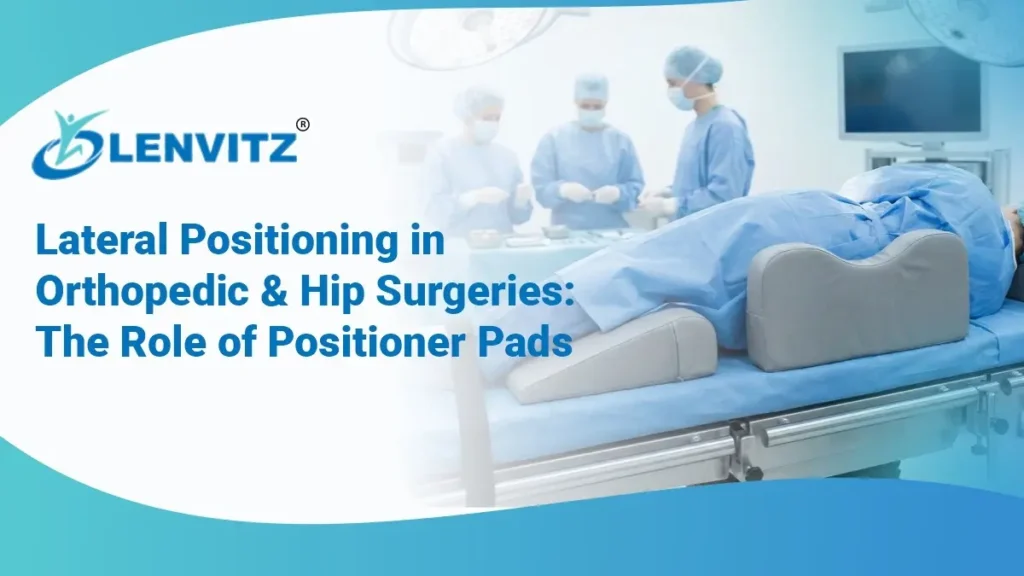

The positioning of patients in surgery in the contemporary practice of surgery is a key to the best results, minimal complications, and maximum comfort of the surgical patient. OT table positioning gel pads are medical devices that are used to cushion patients against pressure sores, nerve damage, and circulation issues during surgery. Various surgeries will be associated with various positions of the patient: supine, lateral, prone, lithotomy, and so on, and each of them must be supported with a specific gel pad solution to prevent any complications.
The second guide elaborates how to apply OT table gel pads in the case of supine, prone, lateral, and lithotomy positions. Knowledge of these can enable surgical teams to be safe, enhance patient comfort, and minimize post-operative complications.
I have no idea what OT Table Positioning Gel Pads are
OT table positioning gel pads cushioning gel pads are pressure-relieving pads which consist of materials that are mainly of medical grade, such as gel materials, in which case they are usually combined with foam or silicone, created to cushion vulnerable parts of patients against pressure and friction during surgery. They serve to improve weight distribution, improve patient positioning in the table, and cushion sensitive areas of anatomy due to sensitive tissue and the risk of skin shear and nerve damage during long-lasting surgery, where immobility increases risks.
Gel pads are also preferred because they provide superior pressure distribution and cushioning characteristics over traditional foam padding, do not change shape over time, and, in most cases, have cooling properties to prevent heat accumulation in the procedure.
Gel Pads in the Supine Position
The most common surgical position is the supine position, which is where the patient lies on their back. It is applicable in operations that range from abdominal surgery to cardiac surgery. Supine positioning requires the usage of supine position gel pads to cushion the sacrum, heels, occiput (back of the head), and the elbow.
- Sacral Gel Pads: In this position, a lot of pressure is placed on the sacrum. This load is relieved by specialized sacral gel pads to avoid pressure ulcers.
- Heel Gel Pads: The heels are particularly susceptible to pressure injuries during lengthy surgeries. These bony areas are protected by specialized heel gel pads.
- Occipital Gel Pads: The back of the head is to be padded to provide spinal positioning and nerve protection.
- Arm Gel Pads/Boards: Arm positioning may result in the occurrence of pressure points and nerve compression; arm boards padded with gel inserts will reduce the risks.
- Proper positioning is of the essence: when these gel pads are placed in the right spot (directly underneath these highly vulnerable regions), pressure is minimized, circulation is enhanced, and spinal positioning, which then leads to increased intraoperative stability and after-surgery comfort.
Gel Pads in the Lateral Position
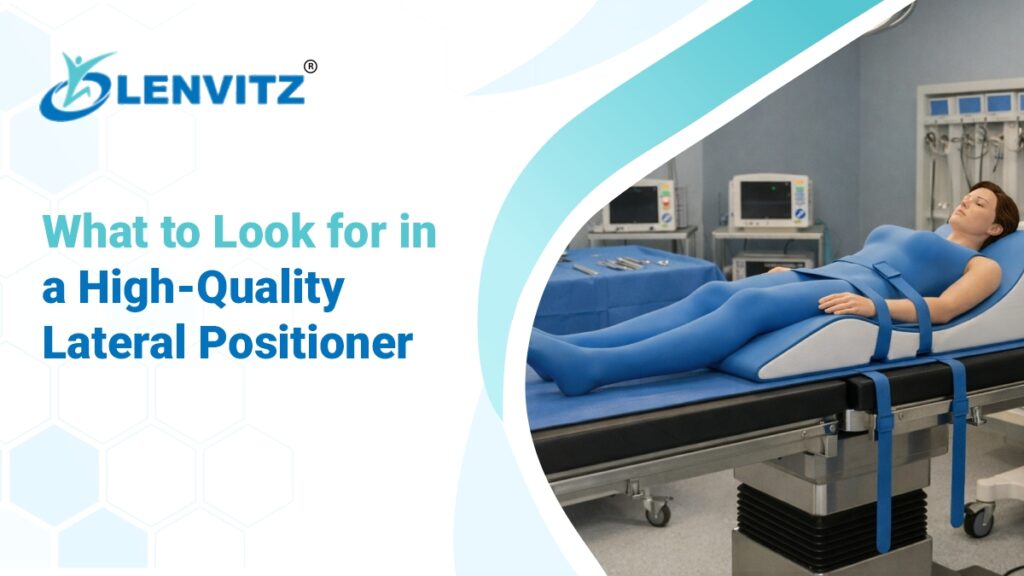
Lateral position gel pads are used in the Lateral position, which is a common position where a patient is laid on his or her side and is normally applied in hip, thoracic, and kidney surgery. This post has special pressure areas that require special gel cushions:
- Lateral Head Gel Pads: These are used to cushion the ear and side of the head to help avoid skin breakdown and keep the head in a neutral position.
- Axillary Gel Rolls: These are used to take pressure off the brachial plexus nerves (a group of nerves in the shoulder area), helping to prevent nerve injury.
- Lateral Gel Rolls/ Torso Supports: Help eliminate flattening or compression of the rib and fix the position of the torso.
- Leg and Knee Gel Pads: Pads cushion the knees and lower legs, preventing pressure on the knees and damage to the joint.
The lateral gel pads strike a balance between stability and pressure relief, minimizing the chances of nerve injury- e.g., brachial plexus neuropathy- and tissue local damage caused by the prolonged side-lying.
Lithotomy position Gel Pads
lithotomy position gel pads are commonly used in the lithotomy position during gynecological, urological, and colorectal surgery. In this position, patients lie supine with hips and knees flexed and legs elevated, supported by stirrups. Gel pads here are tailored to:
- Leg Holders and Boot Gel Pads: These gel pads support and evenly spread the weight on the lower body parts, particularly the calves, heels, and feet.
- Sacral Gel Pads: These cushion the tailbone and the lower back, where there is constant pressure.
When lithotomy gel pads are used appropriately, this physically demanding position can be conducted without the onset of vulvar, perineal pressure injuries, nerve impingement, and strain on hip and knee joints.
Gel Pads on the Prone Position
The prone position entails the patient lying on his back and is used in spinal surgery, neurosurgery, and certain orthopedic surgeries. Prone positioning involves the use of gel pads to cushion the head, chest, abdomen, hips, knees, and arms to promote patient safety and comfort:
- Prone Headrest Gel Pads: These pads are specially designed with openings for the eyes and airway, so the patient’s face is protected from pressure and they can breathe freely.
- Chest and Abdominal Gel Pads: These cushions help to avoid too much pressure on the thoracoabdominal cavities, which might be disruptive to the respiration process.
- Hip Gel Pads: Ideally, keep bony, pressure-sensitive areas such as the iliac crest (the upper edge of the pelvic bone) under low pressure.
- Knee and Leg Gel Pads: provide padding and eliminate musculoskeletal stress.
- Arm Positioning Gel Pads: Prevent ulnar nerve pressure and hold the arms in place.
Prone gel pads are essential in the prevention of pressure sores and nerve damage that are related to prolonged operations performed in such a position.
What is the rationale for using Position-Specific Gel Pads?
Surgical positioning presents unique physiological (body function) and anatomical (structure) issues. Gel pads designed for each surgical position help because they:
- Sharing the load: Minimizing the amount of pressure over bony prominences helps to decrease the occurrence of pressure ulcers.
- Conservation of Vital Nerves: Nerve compression injuries—such as ulnar neuropathy (a condition involving damage to the ulnar nerve, which runs along the arm to the hand) and nerve damage of the brachial plexus (a network of nerves that sends signals from the spine to the shoulder, arm, and hand)—can be prevented.
- Improving Patient Stability: Maintaining patient safety lowers patient involuntary movement and surgical complications.
- Enhancing Circulation: Preventing vascular occlusion (blockage of blood vessels) helps keep tissue healthy and reduces complications.
Specific gel pads in position therefore become a cornerstone of safe surgical care.
Best Practice in Healthcare Provisions
- Always apply gel pads that are specific to the position and procedure of surgery.
- Always check and change gel pads that are worn out or damaged to achieve efficiency.
- Educate and train OR employees about the appropriate pad placement and positioning of patients.
- Add gel pads together with other aids in managing the total pressure.
- Surgical safety measures of document positioning.
Frequently Asked Questions (FAQs) – Explained Simply
These pads act like soft, squishy cushions that spread out the patient’s weight. This stops certain body parts, like hips or elbows, from getting too much pressure, which can cause painful sores or nerve damage while they sleep during the operation.
The pads go under the back of the head, the shoulder blades, the heels, and the tailbone (the areas that press hardest against the table).
We focus on protecting the face/forehead, the hips, and the knees/shins. We also make sure the chest/breasts are comfortable and not being squeezed.
The pads cushion the side of the body that’s touching the table: under the ear, the shoulder, the hip, and between the knees and ankles.
Yes. The surgical team makes sure the pads are perfectly placed right after the patient is positioned. If the surgery is very long, they check them occasionally to make sure everything is still safe and comfortable.