In the high-stakes environment of an Operating Theater (OT), the success of a procedure is often measured by the surgeon’s precision. However, for the perioperative nursing team, success is equally measured by patient safety specifically, the prevention of Hospital-Acquired Pressure Injuries (HAPIs).
As surgeries in orthopedics, neurology, and cardiology become increasingly complex and lengthy, the use of supine position gel pads has evolved from a luxury to a clinical necessity. These specialized supports, including the essential head ring, are designed to redistribute pressure, maintain anatomical neutral alignment, and safeguard the patient during hours of immobility.
Why Patient Positioning is the “Invisible” Factor in Surgical Success
When a patient is under general anesthesia, they lose the “protective reflex” the ability to shift their weight in response to discomfort or lack of blood flow. In the supine position (lying face up), the patient’s entire weight is concentrated on small, bony prominences: the back of the head (occiput), the shoulder blades (scapulae), the tailbone (sacrum), and the heels.
Standard hospital foam pads often “bottom out” during long cases. This means the foam compresses until it is as hard as the table itself, leading to localized ischemia (restricted blood flow). In contrast, a Silicon head ring or gel pad utilizes viscoelastic properties to mimic the viscoelastic properties of human fatty tissue. This allows the pad to distribute interface pressure over a larger surface area, keeping capillary blood flow active and preventing deep tissue injury.
1. Neurology & Neurosurgery: The Crucial Role of the Head Ring
In neurosurgery, the head is the focal point. Whether performing a craniotomy or a delicate micro-vascular procedure, the surgeon requires absolute immobility. This is where the head ring for surgery becomes the most essential tool on the table.
The Science of the Silicon Head Ring
The back of the head is one of the most frequent sites for pressure ulcers in the OR. A Head Gel Pad or a closed head ring cradles the skull, distributing the weight around the perimeter rather than on a single point.
- Preventing Occipital Ischemia: Neurological procedures can last more than 8 hours. Without a dedicated head ring for surgery, the constant pressure on the scalp can lead to “post-operative alopecia” (temporary hair loss) or severe skin necrosis.
- Stability for Micro-Surgery: A silicon head ring provides a high-friction surface that prevents the head from micro-shifting, which is critical when a surgeon is working under a microscope.
2. Orthopedic Surgery: Stability Meets Force
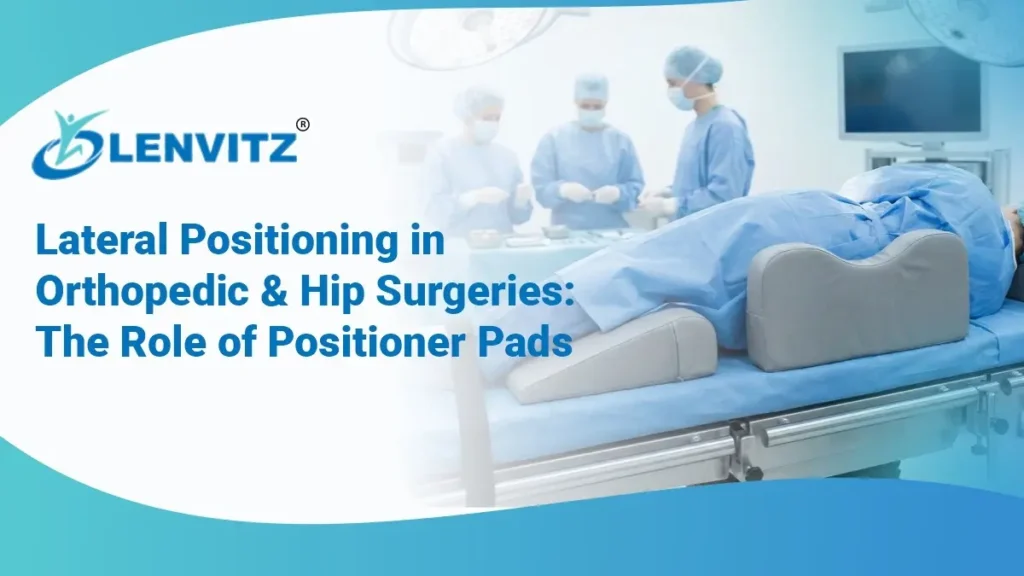
Orthopedic procedures, such as total hip replacements or spinal fusions, require the patient to remain in a fixed position for 3 to 6 hours. While the supine position is standard, many of these surgeries require slight tilting or the use of a lateral positioner.
Protecting Peripheral Nerves
In orthopedic surgery, the force applied during bone drilling or prosthetic fitting can cause the patient to shift. Supine position gel pads provide a stable surface that keeps the patient securely in place without the need for restrictive straps that could further impair circulation.
The Role of the Lateral Positioner
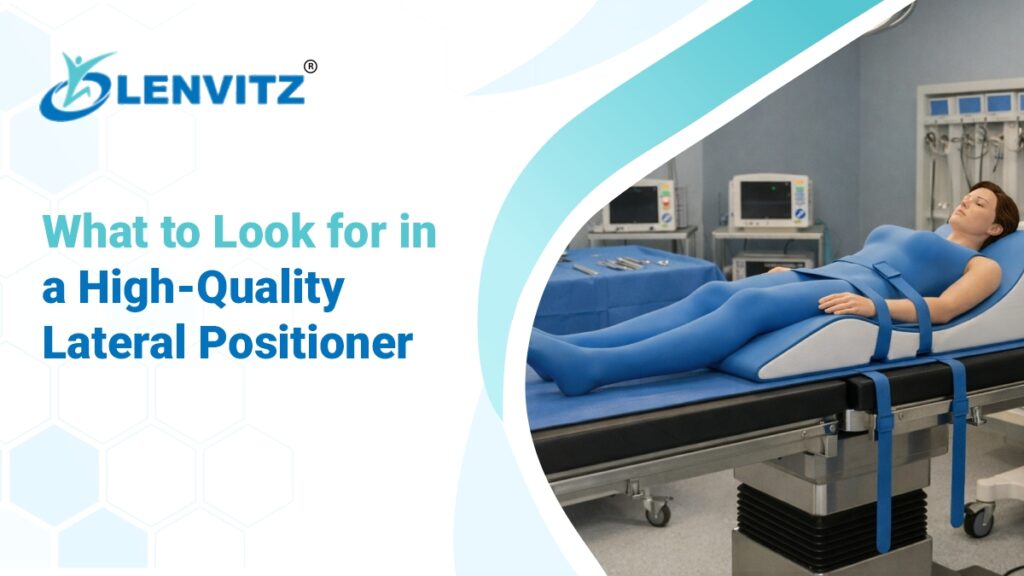
When a patient is turned onto their side (in the lateral position), the risk to the “downside” arm and hip is significant. A lateral positioner is used to support the torso and protect the brachial plexus (the nerve network in the shoulder). By redistributing the weight of the torso, these gel blocks prevent the “pins and needles” sensation or long-term nerve palsy that patients might otherwise experience after surgery.
3. Cardiac Surgery: Managing High-Risk Patients
Cardiac surgeries involve patients who often have compromised circulation even before they enter the OR. This makes them “high-risk” for skin breakdown.
Thermoregulation and Circulation
In procedures like a CABG (Coronary Artery Bypass Graft), the patient may be on a heart-lung machine, and their body temperature may be lowered. This changes how blood flows to the skin. Supine position gel pads are essential in this case because they have a high thermal capacity. They can be pre-warmed to help prevent patient hypothermia a significant surgical risk that many general medical blogs fail to mention.
Simplified Comparison: Gel vs. Foam
For hospital procurement managers and patients alike, understanding the difference is simple:
| Feature | Silicon Gel Pads | Standard Foam |
|---|---|---|
| Skin Comfort | Feels like soft skin; very gentle. | Can feel hard and scratchy over time. |
| Safety | Prevents bedsores and skin tears. | Higher risk of causing red marks or sores. |
| Stability | Stops the patient from sliding. | Patient can slip during the surgery. |
| Cleanliness | 100% waterproof and easy to wipe. | Soaks up sweat and fluids (hard to clean). |
| Durability | Lasts for 2-5 years. | Usually thrown away after one use. |
| Imaging | X-ray and MRI friendly. | Some foams leave “shadows” on X-rays. |
Maintenance: Protecting Your Investment
One area that most blogs overlook is how to properly care for these medical devices. Since you are targeting global healthcare providers, this technical advice adds high authority to your content:
- Cleaning Protocols: Use pH-neutral disinfectants. Avoid undiluted bleach, as it can degrade the TPU (Thermoplastic Polyurethane) skin of the gel pad, leading to cracks.
- Storage: Always store supine position gel pads flat. Folding them can cause permanent creases that create new pressure points, defeating the purpose of the pad.
- Temperature: Most pads can be warmed up to 40°C in a dedicated blanket warmer to improve patient comfort.
Frequently Asked Questions
Yes. Medical-grade silicon is hypoallergenic and latex-free. It is designed to be “biocompatible,” meaning it will not cause a reaction even during 12-hour surgeries.
Even in supine positions, surgeons may “tilt” the table to use gravity to move organs out of the way. A lateral positioner or side support ensures the patient doesn’t slide into the metal side rails of the table.
No. These pads are radiolucent, meaning they do not block X-rays or interfere with the surgeon’s view when using a C-arm or other imaging tools.
If the pad feels “bottomed out” (you can feel the table through the gel when pressing with your hand) or if the outer skin is punctured, it is time to replace it.