Coccydynia, or tailbone pain, transforms rudimentary activities like sitting, driving, or desk work into discomforting or painful endeavors. The condition can frequently come from some form of trauma, sitting on a hard chair for long periods, or poor posture, leading to discomfort and inflammation at the base of the spine. Fortunately, one does not always use invasive treatments for this pain; orthopedic cushions designed specifically for coccydynia can alleviate a great deal of pain and offer considerable relief.
It has been shown that these cushions reduce direct pressure on the coccyx, achieve better posture, and proper spinal alignment. By encouraging the right position, these cushions distribute weight evenly across the body and spine, which relieves strain on the tailbone.
In combination with other ergonomic aids such as heel pads and WC seat covers, coccydynia cushions can reintegrate a patient struggling with mobility into a lifestyle free of pain while improving mobility and assisting with pain management. This blog will look at how these tools target the spine and injury to encourage movement while providing relief.
What is Coccydynia?
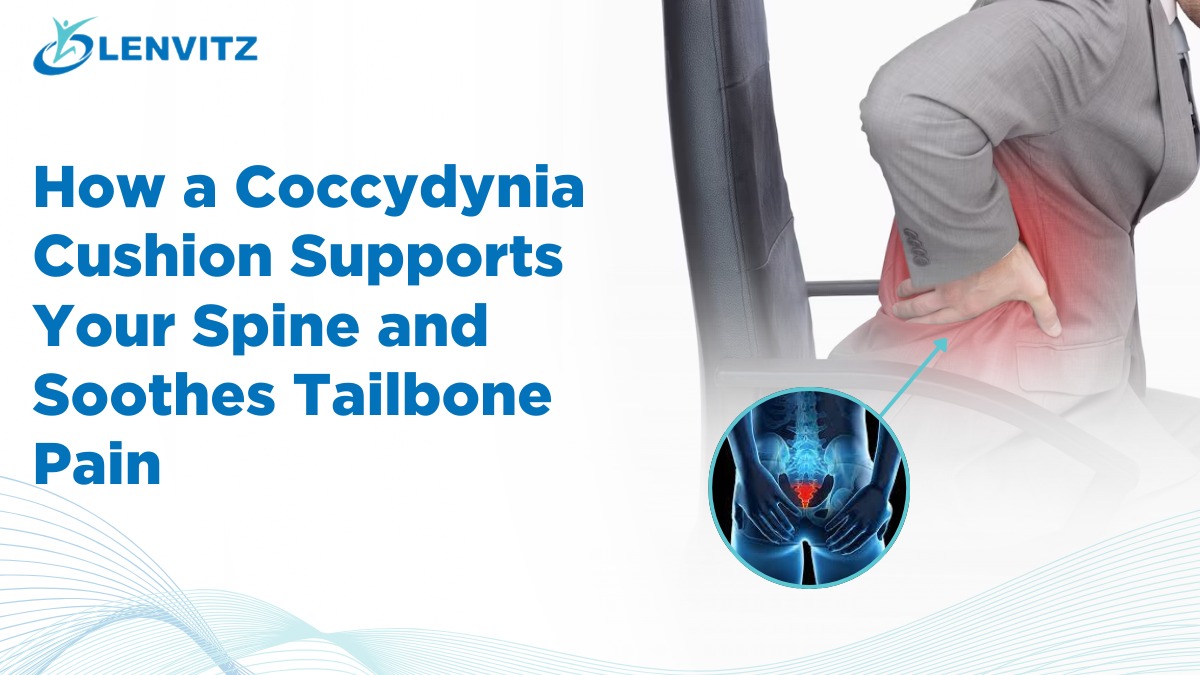
Coccydynia refers to pain in the coccix, or tailbone, which is the small, triangular bone at the bottom of the spinal column. The discomfort can be a dull ache or a sharp stabbing pain, and worsens when sitting, especially on hard surfaces. This issue is often caused by trauma from a fall or direct impact onto the tailbone, prolonged sitting in bad posture, repetitive strain, or stress due to childbirth.
The pain may be felt in a specific area, but will affect a person’s posture, the spine’s alignment, and even their daily life. Those suffering from Coccydynia cushion often have difficulty sitting still for long, which impacts their productivity at work, traveling, and even social engagements. Bad posture adopted to relieve tailbone pain often results in deeper strain on the lower back, hips, and spine, worsening the ache and creating a cycle of musculoskeletal imbalance.
If not treated, coccydynia can cause lingering pain and limited movement. Yet, straddling supports like a coccydynia cushion allows individuals to effectively manage their symptoms, enhance posture, a restore ease in daily activities. Appropriate action and proper body mechanics significantly relieve the consequences that arise from this condition.
The Role of a Coccydynia Cushion
A coccydynia cushion is an extremely helpful device that assists in treating tailbone pain by relieving the pressure on the coccyx area. Unlike the coccydynia support pillow, which is shaped like a donut or has a cut in the backside, this tailbone cushion suspends the coccyx to allow healing. Because direct contact with hard surfaces is avoided, there is no irritation, thus, immediate and continuous pain relief can be attained.
Improved posture is the main advantage of using a coccydynia support cushion. It corrects slumping by aligning the spinal cord with the pelvis in a natural position. This also prevents pain in the lower back, hip, or pelvic area. Coccydynia cushions are remarkably light and portable, which makes them simple to use on car seats, chairs, wheelchairs and other travel devices. They can be used at home or at work.
A coccydynia support cushion provides improved comfort by redistributing body weight, enabling muscle relaxation devoid of being injured by pressing too hard. They also reduce injury by helping lift certain areas of the body off pressure. Their introduction into the daily routine cycle can be greatly helpful to the users, enabling to heal and perform their daily activities with ease and without being ashamed.
Why Posture Matters: Spine and Tailbone Connection
Proper posture is critical to achieving optimal spinal health, particularly in managing cases of coccydynia. The tailbone (coccyx), located at the spine’s base, adds convenience to balance and stability when sitting despite its small size. Moreover, the spine serves to facilitate bodily movements and provides protection to the spinal cord. However, slumped posture such as leaning to one side, uneven weight distribution, or slouching add unnecessary stress on the coccyx and surrounding tissues, thus worsening inflammation and pain.
In the event that there is a balance in posture, the natural spinal curve and balance is disrupted, which leads to misalignment and muscle strain. This is bound to happen slowly, causing discomfort to the tailbone, hips, lower back, and legs. For coccydynia patients, avoidance of tailbone pressure without honing to harmful methods is recommended, which requires proper posture.
Pycotxidynia cushion use while sitting relieves pressure placed on the tailbone by properly aligning the spine and pelvis, thus improving posture. Body weight distribution is equal due to support for spinal curves and relief of muscle tension. Proper tailbone pain alleviation requires the best posture, which otherwise results in advanced damage to the spine, negating comfort and health.
Complementary Supports: Heel Pad, WC Seat Cover, and Prone Position
As a coccydynia cushion does provide relief for tailbone pain, it is also useful to add heel pads, WC seat cover, and proper positioning techniques that assist in managing the spine’s discomfort. All of these aids perform different yet complementary tasks in alleviating applied stress from the body and creating supportive structures that aid in alignment.
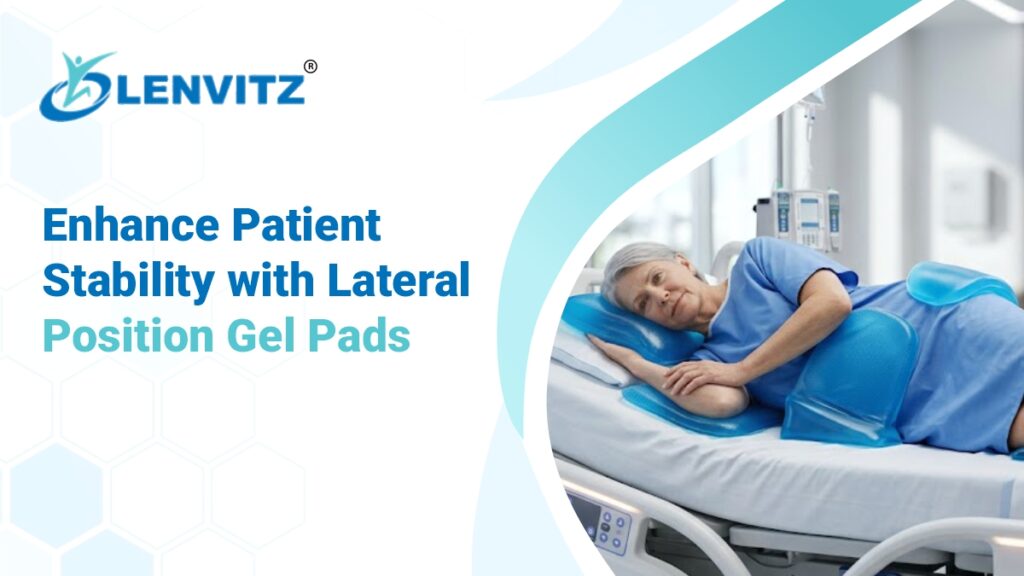
Heel pads have the primary function of providing support for heels during long periods of bed rest or immobility. They prevent bedsores by alleviating pressure on the heels. Improvement of circulation in the lower body alleviates the strain sensed in the lower spine and supports relaxed positional rest.
WC seat covers are specially designed to cushion WC seats that are usually hard and uncomfortable. They offer relief to those suffering from tailbone or lower back pain through the soft padding they provide WC seat covers help to alleviate direct pressure placed on the coccyx during toilet use thus securing comfort during routine tasks.
The prone position can also aid with the spine-lying face down. Doing this enables the spine to spasms and decompress gently, relieving the painful pressure forcefully placed on the coccyx during routine tasks like sitting down.This is particularly useful for temporary relief of pain and strain in the lower back area.
Tips for Using a Coccydynia Cushion Effectively
For a coccydynia cushion to function effectively, the cushion must be used correctly and consistently. The first step involves situating the cushion handsomely on a flat and firm surface, like a car or office chair and even on a dining chair. Make sure that the donut hole or cut-out section is placed right beneath your coccyx area – this area will be coccyx-suspended here, minimizing compression, rather than stress.
Maintain a straight back while seated and keep your shoulders in a relaxed position. Your knees must be bent in a manner that your feet are parallel to the floor and hips, while your hips rest gently above the chair. Make sure to not lean on one side or slouch as this will alter the pressure to other parts of the spine or pelvis and hence, outbalance the primary purpose of the cushion.
The best and most effective practice here involves the use of the cushion periodically during short breaks – that said, it should be done with breaks to stand and stretch outside of sitting every thirty to sixty minutes to promote circulation and reduce stiffness. While on foot, if your routine involves using an array of chairs throughout the day, it might be astute to track the cushion to each of the chairs, utilizing multiple cushions as you go.
Conclusion
Coccydynia, or tailbone pain, makes daily activities, such as sitting, driving, or working, uncomfortable and can have an impact on one’s quality of life. Supportive solutions can give thoughtful relief and offer great results. A coccydynia cushion is helpful, as it relieves pressure from the coccyx, while helping maintain an optimal posture and proper alignment of the spine. Its ergonomic design ensures and alleviates pain, while further straining and discomfort are prevented.
In addition to the cushion, additional devices like silicon gel heel pads, WC seat covers, and prone positioning enhance the spinal health and comfort of a user. These aids help rest positions that offer relief and assist in distributing the pressure equally. All of these together offer comprehensive support to relieve tailbone pain.
Focus on cushion placement, posture, and consistent usage of the tools aids maximizes their benefits. In addition, simple and stretching breaks along with mindful sitting habits reap long-term results.
Comprehensive support is required for pain management. Using the supportive tools and strategically placed coccydynia cushions along with good practices, one can relieve discomfort to get supportive strides towards comfort.
Frequently Asked Questions: Coccydynia Cushions
A Coccydynia cushion is an orthopedically designed seat pad featuring a specific cut-out or donut shape intended to relieve pressure on the tailbone. It effectively mitigates pain by suspending the coccyx, promoting proper posture, and ensuring even weight distribution to relieve strain on both the lower back and the spine.
Gel cushions are often considered superior to regular foam because they provide better pressure distribution and enhanced cooling capabilities. Additionally, gel materials offer greater comfort by reducing heat buildup and molding to the user’s body shape, which is ideal for long periods of sitting while minimizing discomfort in the tailbone region.
By relieving tailbone pressure and promoting balanced sitting, a Coccydynia cushion reduces the strain placed on lower back muscles and helps prevent posture-related spine issues over time. Ultimately, these cushions support long-term spinal health by ensuring the spine maintains correct posture and alignment during use.
When selecting a cushion, it is important to look for an ergonomic design that includes a coccyx cutout and utilizes high-density gel or memory foam. Other essential features include a non-slip base for stability on various surfaces, a portable design for convenience, and breathable fabric to ensure comfort during prolonged use.
These cushions are typically manufactured using memory foam, gel-infused foam, or medical-grade gel to provide firm yet gentle support that conforms to the body. To enhance comfort and hygiene, the outer covers are usually made from breathable and washable fabrics such as mesh or velvet.