You sit down for a meeting that should take an hour. Ninety minutes later, a dull ache has settled at the base of your spine, and standing up feels like a small event. For people living with tailbone pain, this is an ordinary day, and a well-designed coccydynia cushion is often the first practical change that makes long stretches of sitting bearable.
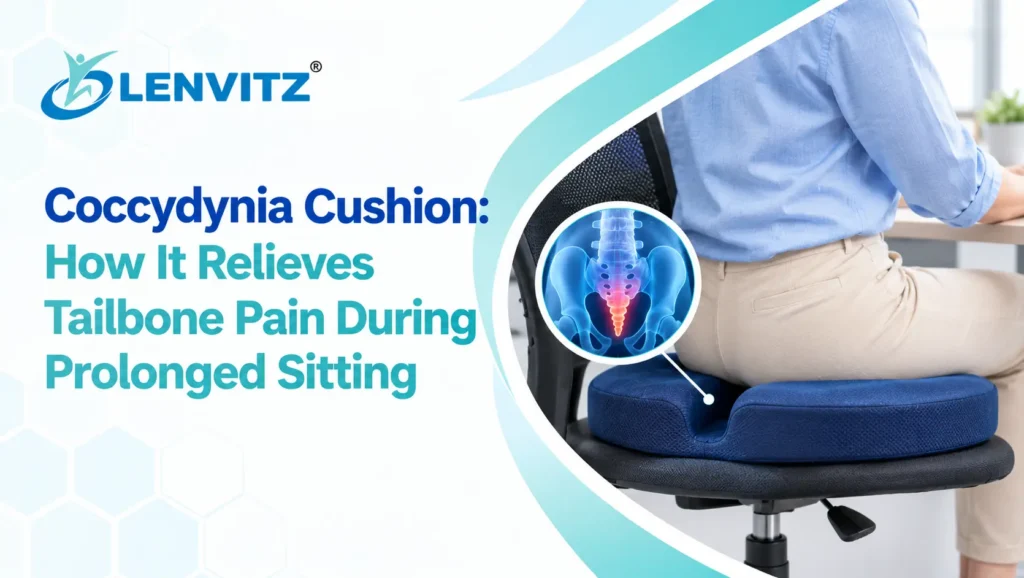
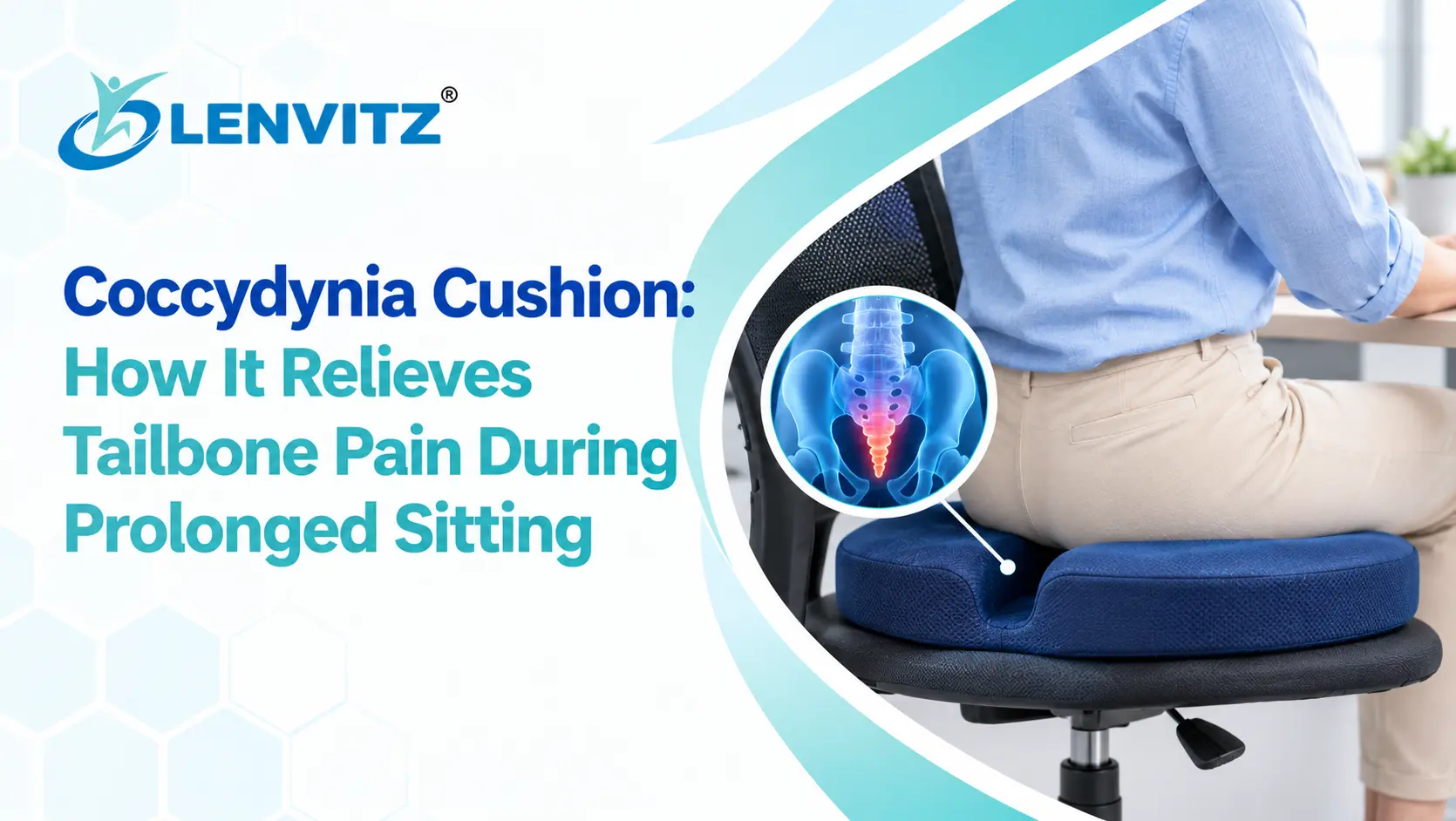
The tailbone (coccyx) is not built to carry body weight for hours. On a flat or overly soft seat, the pelvis tips backward and the coccyx takes direct pressure. Over time that pressure can irritate the surrounding tissue, and the discomfort tends to follow you from the desk chair to the car seat to the sofa.
The right seating surface will not replace medical care, but it can change how much load reaches the sore area. Understanding how and why is the first step toward choosing well.
This guide walks through why prolonged sitting aggravates tailbone pain, where pressure builds up in common sitting situations, why a gel cushion tends to outperform basic foam, and how to put together a complete seating setup.
Why Tailbone Pain During Prolonged Sitting Matters
Coccydynia is the medical term for pain in and around the coccyx. It is commonly made worse by sitting, especially on hard surfaces, and by moving from sitting to standing. Because many daily activities involve sitting, even mild tailbone pain can affect work, travel and sleep quality. Common contributing factors include:
- Prolonged static sitting: staying in one position keeps constant pressure on the same small area.
- Recovery periods: people recovering from childbirth or certain procedures may find regular seats uncomfortable.
- Hard or flat seat surfaces: they concentrate load on the bony points instead of spreading it out.
- Slouched posture: leaning back rolls the pelvis and shifts weight onto the coccyx.
- Previous injury or a fall: a past impact to the tailbone can leave the area sensitive to pressure.
Persistent or severe tailbone pain should always be assessed by a doctor. A cushion is a comfort and pressure-management aid, not a treatment.
Where Pressure Builds Up in Everyday Sitting
Office and Desk Sitting
Desk work is the most common trigger. Hours of focused sitting often lead to a gradual slide into a slouch, and the coccyx ends up bearing more than its share.
Main Pressure Points
- Tailbone and lower sacrum: they take direct load when the pelvis tilts backward.
- Back of the thighs: a hard seat edge can restrict comfort and circulation.
- Sit bones (ischial tuberosities): on a firm chair, these become the main load points and add fatigue.
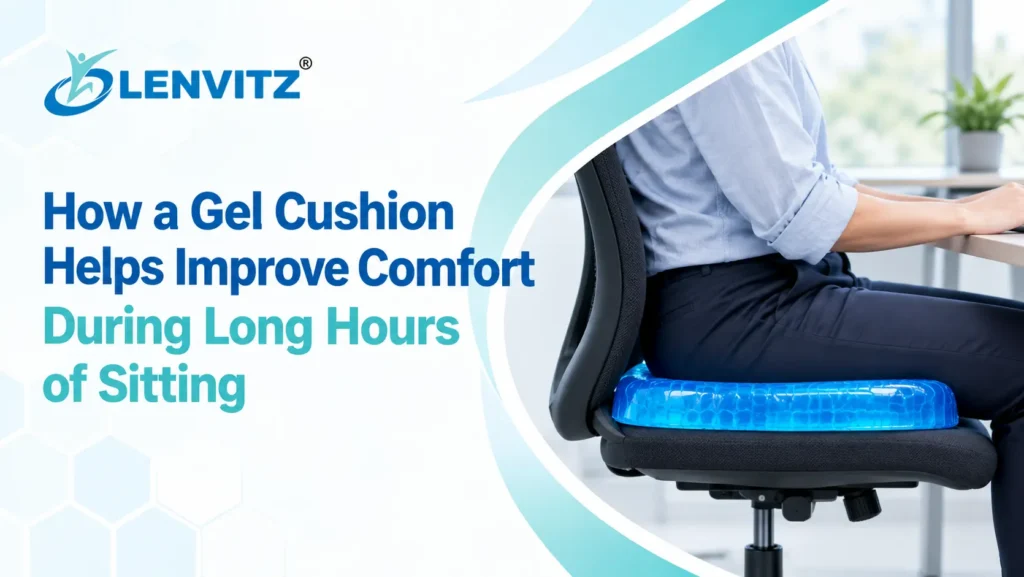
A contoured gel cushion with a rear cut-out lets the tailbone hang free while the sit bones and thighs share the load. Pair it with short standing breaks every 30 to 45 minutes for the best effect.
Wheelchair Sitting
Wheelchair users may spend most of the day seated, so seat surface quality matters far more than it does for occasional sitters. Sling seats and thin factory padding often provide little pressure relief.
Main Pressure Points
- Coccyx and sacrum: especially when posture drifts into a sacral sit.
- Hips and outer thighs: these can rub or compress against armrests and side panels.
- Sit bones: they carry high pressure on firm, flat seats.
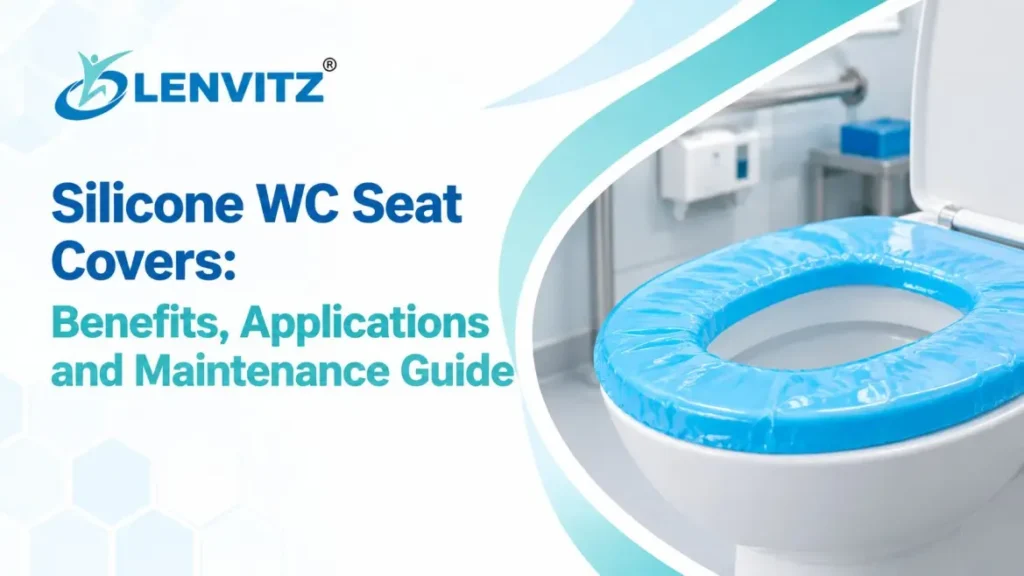
A silicone WC seat cover adds a soft, conforming layer that helps distribute weight over a wider area. It is also easy to wipe clean, which suits long-term daily use. Anyone with skin concerns or limited sensation should discuss seating with their clinician or therapist.
Driving and Long-Distance Travel
Car, bus and train seats are rarely designed with tailbone comfort in mind. Vibration and prolonged posture make the effect stronger on long journeys.
Main Pressure Points
- Tailbone: bucket-style seats can push the pelvis backward.
- Lower back: a lack of lumbar support increases slouching.
- Thighs and buttocks: vibration and constant contact add to fatigue.
A portable coccydynia cushion that is light enough to carry between the car, office and home keeps relief consistent. Choose one with a non-slip base so it stays put when you brake or turn.
Recovery and Everyday Home Seating
Sofas, dining chairs and recliners vary widely in firmness. Soft sofas let the body sink and tilt the pelvis, while hard dining chairs offer no give at all.
Main Pressure Points
- Coccyx: it is loaded on both soft, sinking seats and hard, unforgiving ones.
- Lower spine: poor support encourages rounding of the back.
Moving one cushion between the chairs you use most keeps your comfort level steady throughout the day. A gel cushion is easy to carry and easy to clean, which makes it a practical home companion.
Why a Gel Cushion Often Works Better Than Basic Foam
Standard foam is inexpensive and widely available, but it has limits for people who sit for long periods. Gel-based designs address several of those limits:
- Pressure distribution: gel flows and conforms to the body, spreading load across a wider area, while foam compresses and can bottom out under sustained weight.
- Durability: gel products are generally more resilient to repeated compression.
- Consistency over time: foam can flatten with daily use, whereas quality gel tends to hold its shape longer.
- Tailbone cut-out support: a gel layer around a cut-out maintains clearance for the coccyx without collapsing at the edges.
- Hygiene: a smooth silicone surface wipes clean easily, which is helpful in homes, offices and care settings.
Foam still has a place, especially as a lightweight base layer. Many people find that a gel top layer over a supportive base offers the best balance of comfort and stability.
Building a Complete Setup
A cushion works best as one part of a wider seating routine. Consider these steps:
- Pick the right cushion shape: a U-shaped or wedge cut-out design suits most tailbone concerns; choose a size that matches your seat and hip width.
- Check seat height and depth: your feet should rest flat and your knees should sit at roughly hip level once the cushion is in place.
- Support your lower back: a small lumbar roll or a supportive chair back reduces slouching.
- Add a WC seat cover where needed: for wheelchair users, a silicone cover adds a conforming surface on top of the existing seat.
- Move regularly: change position often and stand or walk briefly at set intervals.
- Keep it clean: wipe the cushion with mild soap and water and let it dry fully before use.
- Talk to a professional: if pain lasts more than a few weeks, get it checked rather than relying on a cushion alone.
Lenvitz offers a range of medical-grade gel products designed around pressure management and everyday comfort. Browse the full cushion range to find the right fit for your chair.
FAQ’s
A coccydynia cushion is a seat cushion with a cut-out or contoured area at the back that keeps pressure off the tailbone while supporting the thighs and sit bones. It is meant to make sitting more comfortable for people with tailbone pain.
No. It helps reduce pressure and makes sitting more comfortable, but it does not treat the underlying cause. Please see a doctor if pain is severe, sudden or lasts for weeks.
Many users prefer gel because it conforms to the body, distributes pressure more evenly and holds its shape better with daily use. Comfort is personal, so the right choice depends on your body, your chair and how long you sit.
In many cases yes, but fit and stability matter. A silicone WC seat cover can add a conforming surface to a wheelchair seat. If you plan to layer products, check with your therapist or clinician that the combination keeps you stable and comfortable.
Even with a good cushion, it helps to change position or stand briefly every 30 to 45 minutes. Your doctor or physiotherapist can suggest a routine suited to you.