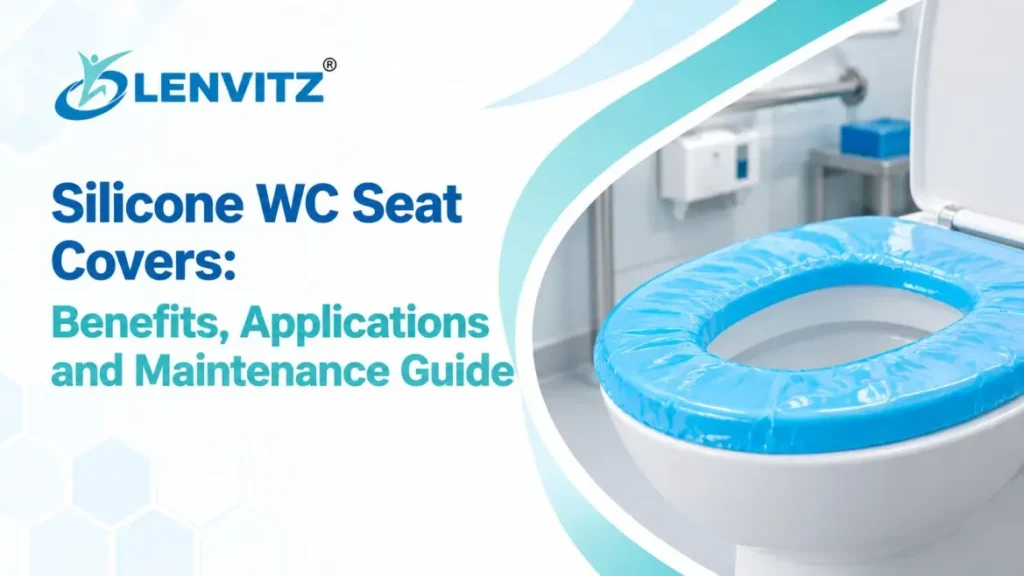
Hospital washrooms get used constantly, by patients who can least afford to catch an infection. A standard plastic seat cracks over time, holds onto stains, and gets slippery when wet. None of that is a small problem in a ward full of elderly or immunocompromised patients. A WC Seat Cover made from medical-grade silicone solves most of these issues at once, which is why more facilities are switching from plastic and standard vinyl options.
This guide covers what makes silicone the better material, where these covers get used, and how to keep them in good condition once they’re installed.
What Makes a Silicone WC Seat Cover Different
Most seat covers on the market are plastic or a basic vinyl coating over foam. Both degrade fast in a hospital setting. Plastic yellows and cracks under repeated cleaning with harsh disinfectants. Vinyl tears at the seams and lets moisture in underneath, which is exactly where bacteria likes to grow.
A WC Seat Cover built from medical-grade silicone holds up to that same disinfectant exposure without breaking down. Silicone doesn’t absorb moisture, doesn’t crack under repeated flexing, and keeps its shape even after thousands of uses. It’s also naturally resistant to a lot of the bacterial growth that plastic and vinyl are prone to, since the surface doesn’t have the microscopic pores that trap moisture and organic material.
Benefits of Silicone WC Seat Covers
Hygiene. This is the main reason hospitals make the switch. Silicone’s non-porous surface doesn’t let bacteria or fungi take hold the way plastic and foam do. Combined with a smooth surface that has no seams for grime to collect in, that makes it far easier to get a genuinely clean surface after each wipe-down, not just a surface that looks clean.
Durability. A silicone cover doesn’t crack when it’s cold, doesn’t go brittle with age, and doesn’t discolor after repeated exposure to bleach-based cleaning products. Most facilities find they replace silicone covers far less often than plastic ones, which brings the actual cost down over time even though the upfront price is usually a bit higher.
Comfort. Silicone has some give to it. That matters more than it sounds for elderly patients, post-surgical patients, or anyone with limited mobility who’s using the washroom without much cushioning otherwise. A rigid plastic seat can be genuinely uncomfortable for a patient who has to sit for a while.
Temperature stability. Plastic seats get cold fast, especially in air-conditioned wards, and that’s an unpleasant surprise for a patient already dealing with enough discomfort. Silicone doesn’t transfer cold the same way, so the seat stays closer to room temperature.
Easy disinfection. Because the surface is sealed and non-porous, a silicone cover can be wiped down with standard hospital-grade disinfectants without degrading the material. That’s not always true for foam-and-vinyl seats, where repeated chemical exposure eventually breaks down the coating.
Where Silicone WC Seat Covers Get Used
Hospital wards and patient rooms are the most common setting, particularly in units with a higher share of elderly or post-operative patients who need a more comfortable, hygienic seat. ICUs and isolation wards benefit even more, since infection control is stricter there and the non-porous surface makes proper disinfection between patients much simpler.
Elderly care homes and assisted living facilities use them for similar reasons, mostly comfort and the lower risk of skin breakdown from a hard or cold surface over repeated use. Home care setups for bedridden or mobility-limited patients are another common application, since caregivers need something that’s easy to clean without special equipment.
Public and semi-public restrooms in clinics and diagnostic centers also use silicone covers, largely because of how much foot traffic they handle in a day. A surface that holds up to constant use and constant cleaning without degrading is worth the investment in a high-traffic setting like that.
Maintenance and Care
Keeping a silicone WC seat cover in good condition doesn’t take much, which is part of the appeal.
Daily cleaning with a standard hospital disinfectant is enough for most settings. Silicone tolerates most common disinfectants without any issue, including alcohol-based and chlorine-based solutions, so there’s no need for a special cleaning protocol separate from the rest of the washroom.
It’s worth doing a quick visual check periodically for any tears, punctures, or areas where the seal might have started to lift. Silicone is durable, but it isn’t indestructible, and a small tear that goes unnoticed can become an entry point for moisture underneath the surface. Catching that early and replacing the cover before it becomes a hygiene issue is a lot cheaper and easier than dealing with the aftermath.
Avoid abrasive scrubbing pads or anything that could scratch the surface. Silicone is fairly resistant to scratching compared to plastic, but repeated abrasive cleaning will shorten its lifespan over time. A soft cloth or standard cleaning wipe does the job just as well.
Replace the cover if you notice persistent discoloration, a loss of the smooth seal around the edges, or any cracking, even minor. These are signs the material has started to degrade, and at that point it’s no longer providing the hygiene benefit it’s there for.
Choosing the Right Silicone WC Seat Cover
Not every silicone cover on the market is built to the same standard, so it’s worth checking a few things before buying at scale for a facility.
Look for medical-grade silicone specifically, not a generic silicone blend, since medical-grade material is formulated to hold up to repeated disinfection without breaking down. Check that the cover has a proper seal around the edges rather than an open seam, since an open seam is exactly where moisture and bacteria get in over time. Confirm it fits standard commode and toilet seat dimensions used across your facility, so you’re not stuck sourcing custom sizes for different wards. And check the manufacturer’s guidance on which disinfectants are safe to use, since even good silicone can degrade faster under the wrong chemical combination.
FAQ’s
With regular cleaning and proper care, a medical-grade silicone cover generally lasts significantly longer than plastic or vinyl alternatives, often several years in normal hospital use, though actual lifespan depends on how much traffic a particular washroom sees.
Most medical-grade silicone tolerates standard hospital disinfectants, including alcohol and chlorine-based solutions, without breaking down. It’s still worth checking the specific manufacturer’s guidance, since disinfectant strength and formulation can vary.
The upfront cost is usually higher, but the longer lifespan and lower replacement frequency tend to make silicone the more cost-effective option over time, especially in high-traffic hospital settings.
Yes. Silicone’s non-porous surface doesn’t trap moisture or organic material the way plastic’s microscopic surface texture can, which makes it harder for bacteria and fungi to establish themselves and easier to get a genuinely clean surface with routine wiping.
Minor surface damage sometimes doesn’t affect function, but any tear that breaks the seal should be treated as a reason to replace the cover rather than repair it, since a compromised seal defeats the hygiene benefit the material is meant to provide.