A four-hour spine case is underway, and the surgical team is focused entirely on the field. Nobody is watching the patient’s heels, sacrum, or elbows but the pressure building against those points doesn’t pause because attention is elsewhere. By the time the drapes come down, a patient who arrived with intact skin can leave with the early stages of a pressure injury that neither the surgeon nor the anesthesiologist ever saw happen.
This is the quiet risk built into every long procedure: positioning-related pressure injuries develop silently, under blankets and drapes, while everyone’s attention is on the operation itself. The tools used to prevent them foam wedges, gel rolls, standard OT mattresses often aren’t built to handle the combination of body weight, immobility, and time that surgery demands. That gap is exactly where a well-designedsilicone gel pad earns its place on the table.
This guide walks through why patient positioning matters so much in the OR, where the highest-risk pressure points sit for each common surgical position, and how the right Patient Positioning Gel Pads compare to the alternatives most ORs still default to.
Why Patient Positioning Matters
Positioning isn’t a formality before the “real” work of surgery begins it’s a clinical decision with consequences that can outlast the procedure itself. A patient who is anesthetized loses the reflexive ability to shift weight, flex a joint, or signal discomfort, which means any pressure, stretch, or misalignment introduced at the start of the case can persist, uninterrupted, for hours.
Several factors compound this risk:
- Loss of protective reflexes under anesthesia — the body can’t self-correct the way it does during natural sleep.
- Extended procedure times — the longer the surgery, the longer any single point of contact bears sustained load.
- Reduced tissue perfusion — anesthesia and positioning together can lower blood flow to compressed areas, accelerating tissue damage.
- Bony prominences bearing concentrated weight — heels, sacrum, occiput, and elbows carry disproportionate pressure relative to their surface area.
- Patient-specific vulnerability — thin body habitus, diabetes, vascular disease, and advanced age all lower the threshold for injury.
- Equipment and table hardware — rails, clamps, and hard table surfaces introduce additional contact and shear points beyond the mattress itself.
Left unmanaged, these factors combine to produce hospital-acquired pressure injuries (HAPIs), nerve compression, and postoperative pain that have nothing to do with the surgical site itself — and everything to do with what was (or wasn’t) placed under the patient. This is precisely why well-designed Patient Positioning Gel Pads have become a standard part of OR protocol rather than an optional extra.
Positioning by Surgical Approach
Supine Position
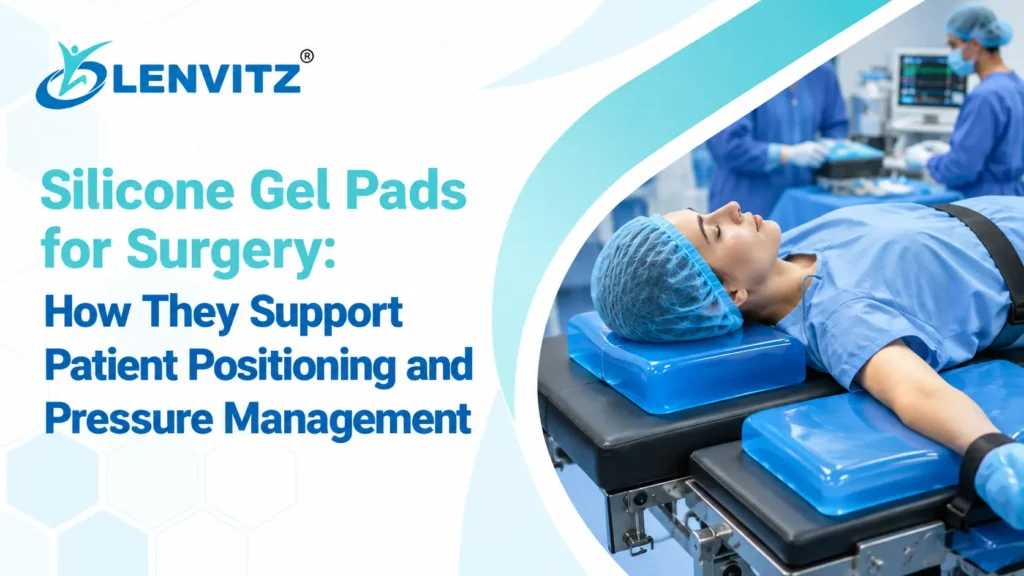
Supine is the most common OT position, used for everything from general abdominal procedures to cardiac and many orthopedic cases. It looks low-risk because the patient is simply lying flat — but “simple” doesn’t mean “low-pressure.” Body weight concentrates on a small number of bony landmarks for the full duration of the case, and those points rarely get relief until the patient is repositioned or the procedure ends.
Main Pressure Points
- Occiput — the back of the head bears significant weight, especially in longer cases, and is easy to overlook once the head is draped.
- Scapulae and thoracic spine — flat, bony surfaces with minimal natural padding.
- Sacrum and coccyx — typically the single highest-pressure zone in supine positioning, particularly as the head of the bed is adjusted.
- Heels — often left fully unsupported and bearing the full weight of the lower legs.
- Elbows — vulnerable to ulnar nerve compression if arms are tucked or positioned without adequate cushioning.
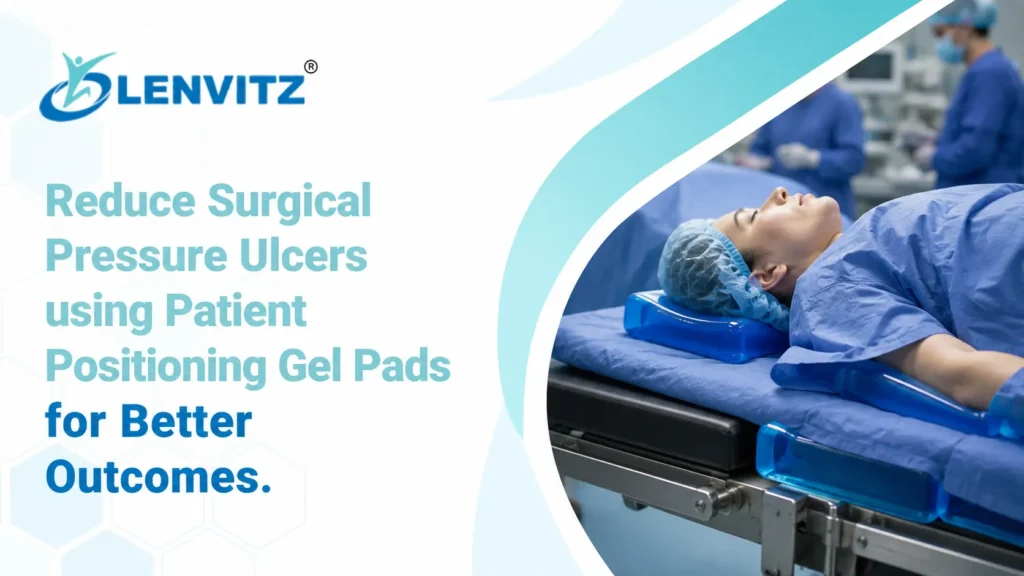
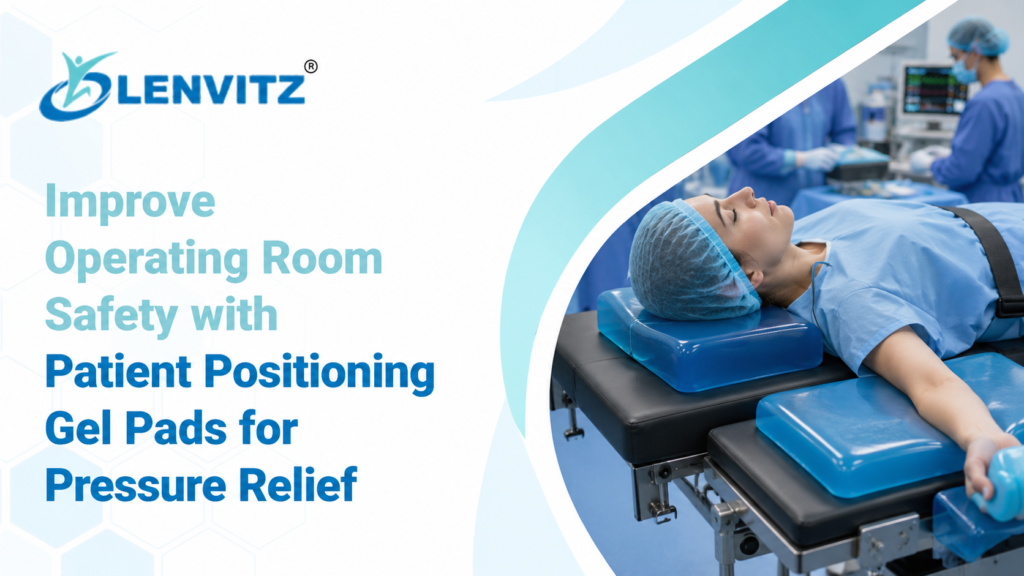
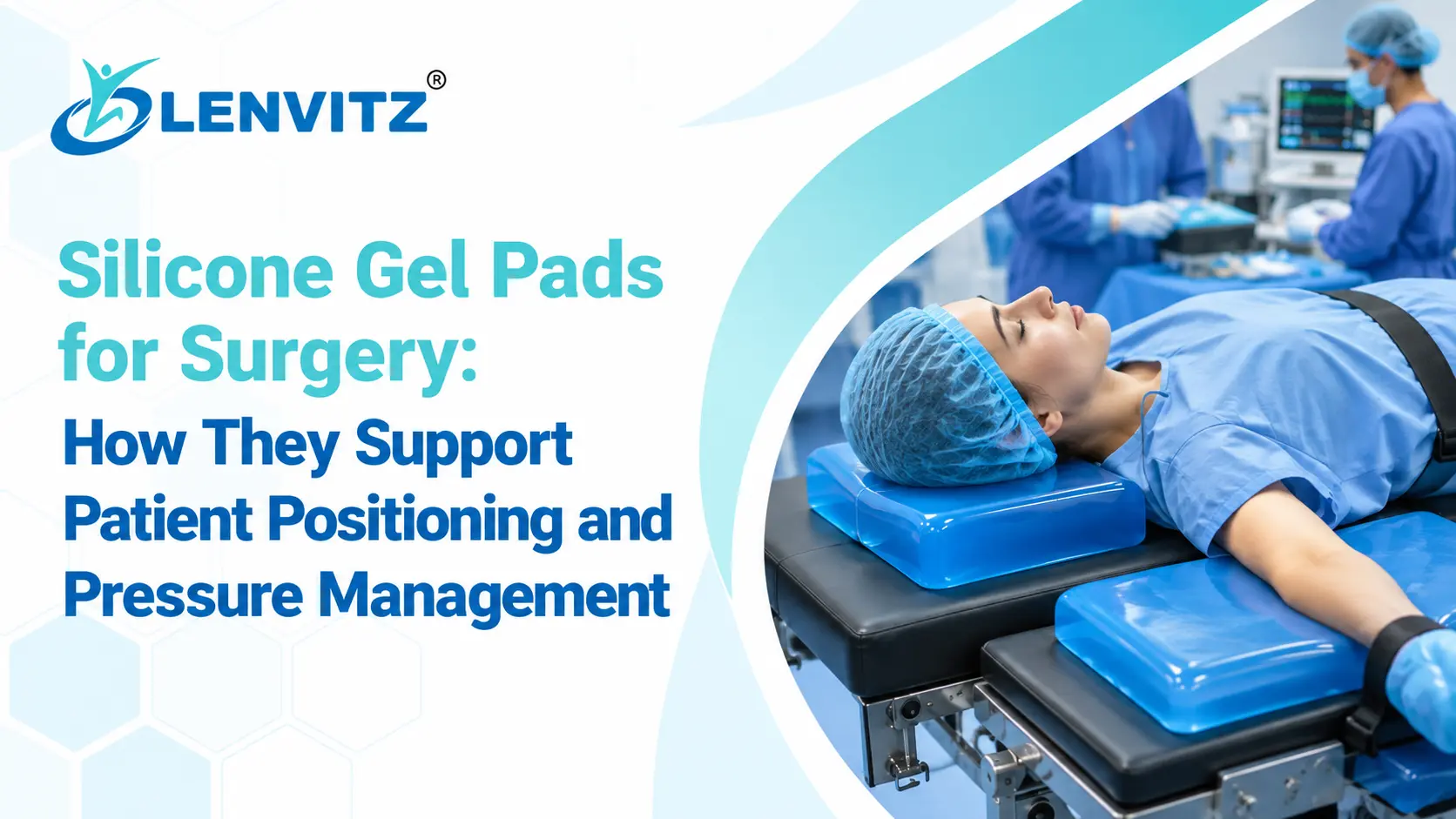
For supine cases, layering targeted support under the sacrum, heels, and elbows rather than relying on a single flat mattress makes the biggest difference. A supine positioning gel pad set designed around these specific contact points helps distribute weight away from bony prominences without disturbing surgical access, which is the practical goal in any positioning strategy: protect the tissue without getting in the surgeon’s way.
Lateral (Side-Lying) Position
Lateral positioning, common in thoracic, hip, and some renal procedures, shifts the entire pressure profile onto one side of the body. Because the patient’s weight is no longer spread across a broad back or torso surface, it concentrates instead on a narrow strip of contact points running down one side — which makes careful padding even more critical than in supine cases.
Main Pressure Points
- Greater trochanter (dependent hip) — bears a large share of body weight and is a common site of postoperative pain if underpadded.
- Dependent ear — easily compressed against the table or headrest, with limited soft tissue protection.
- Axilla (dependent shoulder) — at risk for brachial plexus compression, particularly if an axillary roll isn’t correctly placed or sized.
- Lateral malleolus and knee — the dependent leg’s bony prominences bear direct contact unless separated from the table and from the upper leg.
- Iliac crest — a secondary but still meaningful pressure zone along the trunk.
Because lateral positioning relies on precise, layered support rather than a single flat surface, this is where silicone gel pads shaped for axillary rolls, hip supports, and leg separators tend to outperform generic foam, the gel conforms to the specific contour it’s placed against instead of just cushioning a flat area. The practical takeaway: lateral cases need multiple, purpose-shaped pads working together, not one large pad doing the job of five.
Prone Position
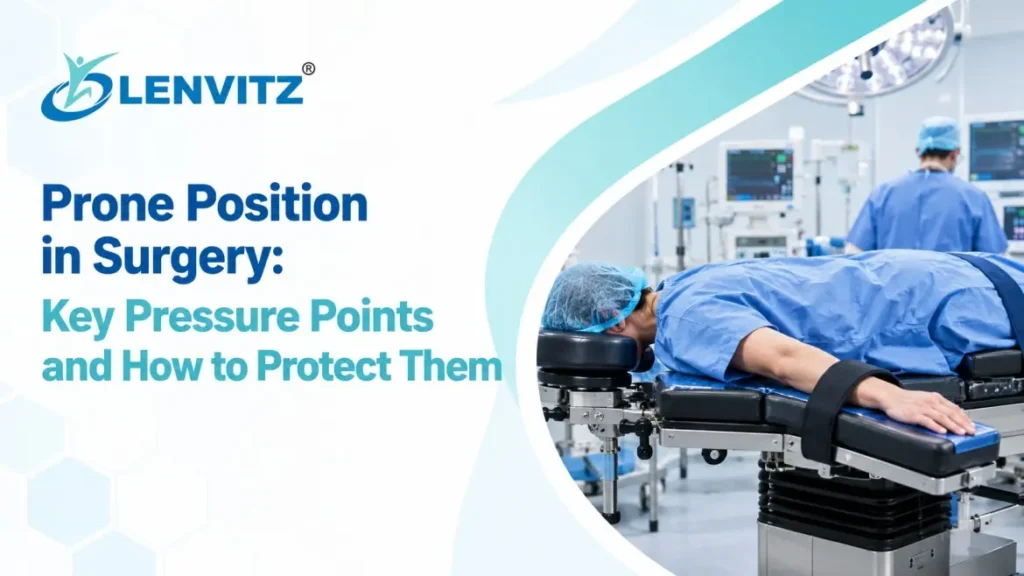
Prone cases — spine surgery, some neurosurgical and posterior fossa procedures flip the entire risk profile onto the front of the body, an area with far less natural padding over its bony landmarks than the back. Prone positioning also introduces airway, ocular, and chest-wall considerations that don’t exist in supine or lateral setups, which raises the stakes on getting the padding right the first time.
Main Pressure Points
- Forehead and orbital region — direct pressure here risks corneal injury and, in rare but serious cases, vision loss, making a properly fitted headrest non-negotiable.
- Chest wall and iliac crests — need to bear weight while leaving the abdomen free-hanging to protect venous return and reduce intra-abdominal pressure.
- Knees — a frequently underpadded zone given how much lower-body weight passes through them in this position.
- Toes and dorsum of the feet — vulnerable if the lower legs aren’t properly elevated off the table surface.
- Genitalia (male patients) — must be checked and protected as part of standard prone positioning practice.
A well-designed prone positioning gel pad system particularly a properly contoured headrest is one of the highest-value pieces of equipment in a prone setup, given how narrow the margin for error is around the face and airway. Confirming the airway and eyes are free of pressure immediately after turning the patient, and rechecking periodically through longer cases, remains essential regardless of how good the padding is.
Lithotomy Position
Lithotomy positioning, used in gynecologic, urologic, and colorectal procedures, introduces a different category of risk: the legs are elevated and supported in stirrups for extended periods, which changes both pressure distribution and circulation in ways flat positioning doesn’t.
Main Pressure Points
- Popliteal fossa (back of the knee) — compression here can affect both nerve function and venous return from the legs.
- Peroneal nerve at the fibular head — one of the most common sites of postoperative nerve palsy if stirrup padding is inadequate.
- Sacrum — bears increased pressure once the hips are flexed and the pelvis tilts.
- Heels — still a factor even with legs elevated, depending on stirrup type and boot support.
- Ischial tuberosities — concentrated pressure as the lower body’s weight shifts toward the pelvis.
Stirrup padding is frequently treated as an afterthought compared to the table mattress itself, but the popliteal and peroneal pressure points in lithotomy are among the most litigated positioning injuries in surgery which makes it one of the areas where upgrading from thin foam boot liners to a gel pad insert offers a clear, practical return. The takeaway here is simple: however good the OT table’s padding is, it does nothing for the legs once they’re in stirrups.
Why Silicone Outperforms Foam and Standard Padding
Foam has been the default OR positioning material for decades largely because it’s inexpensive and disposable, not because it performs best under sustained pressure. Over the course of a long case, foam compresses unevenly and doesn’t return to its original shape which means the padding meant to protect a pressure point at the start of a six-hour case may be doing far less work by the end of it.
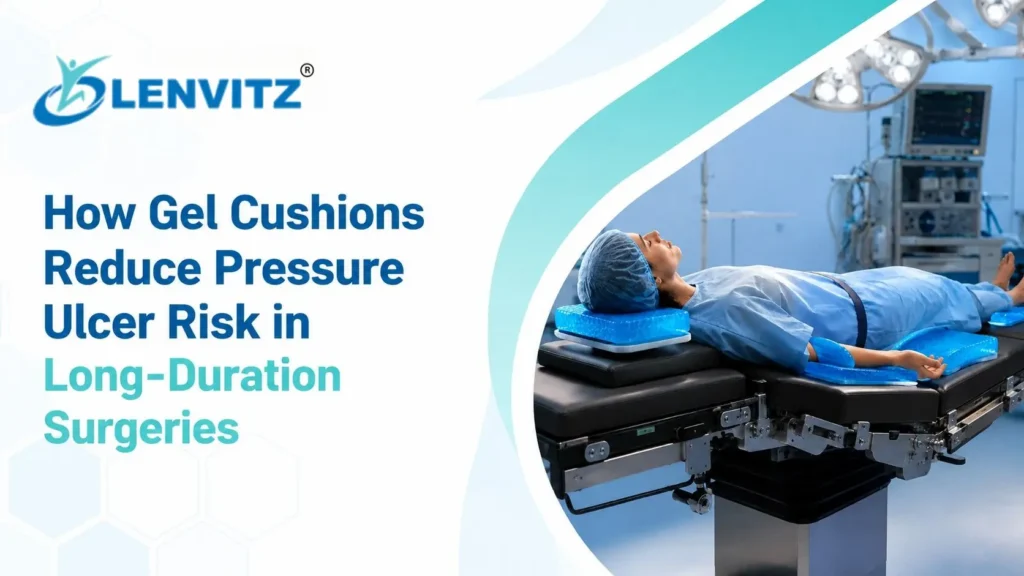
Silicone gel behaves differently under load. It distributes weight across a broader surface area rather than compressing straight down at the point of contact, which is what actually reduces peak pressure at bony prominences. It also holds its shape consistently through long procedures instead of “bottoming out,” and it conforms to the specific contour it’s placed against, a curved axillary roll, a heel cup, a headrest cutout in a way flat foam sheeting simply can’t replicate. Add to that the fact that silicone gel pads are typically easier to clean and disinfect between cases than foam, which absorbs fluids and is harder to fully sanitize, and the practical case for gel over foam in high-stakes, long-duration positioning becomes straightforward. This is also why so many facilities are standardizing on OT table positioning gel pads as part of the mattress setup itself, rather than treating gel as an add-on used only for select high-risk cases.
Building a Complete Positioning Setup
No single gel pad protects an entire patient through an entire procedure positioning is a system, not a single product. A complete setup typically layers general-purpose OT table positioning gel pads (a full-body or torso pad) with position-specific pieces (headrests, heel cups, axillary rolls, stirrup liners) chosen to match the specific procedure and patient risk profile.
A few practical guidelines for building that setup:
- Match the pad to the position, not just the procedure. A prone spine case and a prone posterior fossa case may use different headrest shapes even though both are “prone.”
- Account for patient-specific risk. Thinner patients, diabetics, and those with vascular disease generally need more aggressive pressure redistribution, not just standard padding.
- Reassess after repositioning. Any intraoperative repositioning is a chance for a pad to shift out of place — a quick recheck costs little and prevents a lot.
- Standardize by procedure type where possible. Many OR teams find it easier to maintain a consistent “position kit” (e.g., a standard lateral kit or lithotomy kit) rather than assembling pads case by case.
- Don’t neglect the extremities. Heels, elbows, and hands are frequently the last thing padded and the first thing pressure injuries appear on.
FAQ’s
They’re used to redistribute pressure at bony prominences and vulnerable soft-tissue areas during surgical positioning, helping to reduce the risk of pressure injuries, nerve compression, and postoperative pain associated with prolonged immobility on the OT table.
Look for pads that are shaped for the specific pressure points of the position you’re using (headrests, heel cups, axillary rolls, stirrup liners), made from medical-grade silicone that holds its shape under sustained load, and easy to clean and disinfect between cases.
Silicone gel conforms closely to body contours and distributes weight across a wider surface area, while foam tends to compress unevenly over time and lose its shape during long procedures. Gel pads generally also clean and disinfect more easily between cases.
Prone and lateral positions are generally considered higher-risk due to the smaller, more concentrated contact areas and the additional facial, ocular, and axillary considerations involved, though supine and lithotomy cases carry their own well-documented risk points, particularly at the sacrum and lower legs.
Many OR protocols call for periodic rechecks of pressure points and pad placement, especially after any intraoperative repositioning, table adjustment, or significant change in procedure duration.
Most silicone gel positioning pads are designed for repeated use across multiple procedures and are cleaned and disinfected between cases according to standard OR protocols, though usage life varies by product and manufacturer guidance.