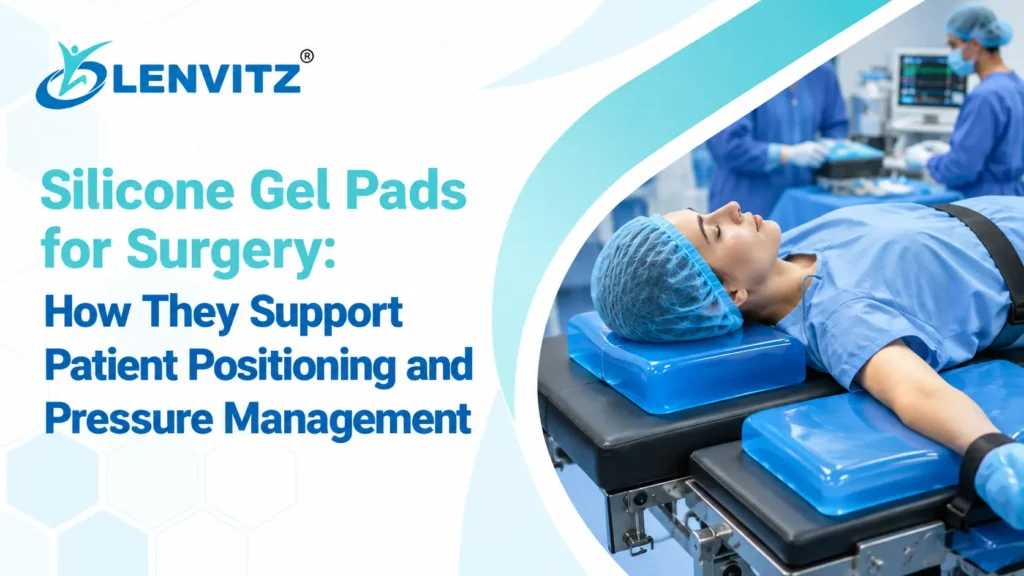
Surgical pressure ulcers are not a side effect of surgery. They are a failure of positioning. When a patient lies motionless on an operating table for 3, 4, or 6 hours unable to shift, fidget, or respond to discomfort, the tissues compressed between their bony prominences and the table surface begin to break down. The injury is silent, invisible under the drapes, and entirely preventable when the right patient positioning gel pads are used correctly from the moment the patient is laid out.
The clinical and financial consequences of intraoperative pressure ulcers are significant. A Stage III or Stage IV pressure ulcer acquired in the OT extends hospital stay, increases infection risk, requires specialist wound care, and opens the treating facility to medico-legal exposure. In India, where NABH accreditation increasingly scrutinises hospital-acquired pressure injuries as a patient safety indicator, the OT positioning protocol is no longer just a clinical question it is a quality and compliance question as well.
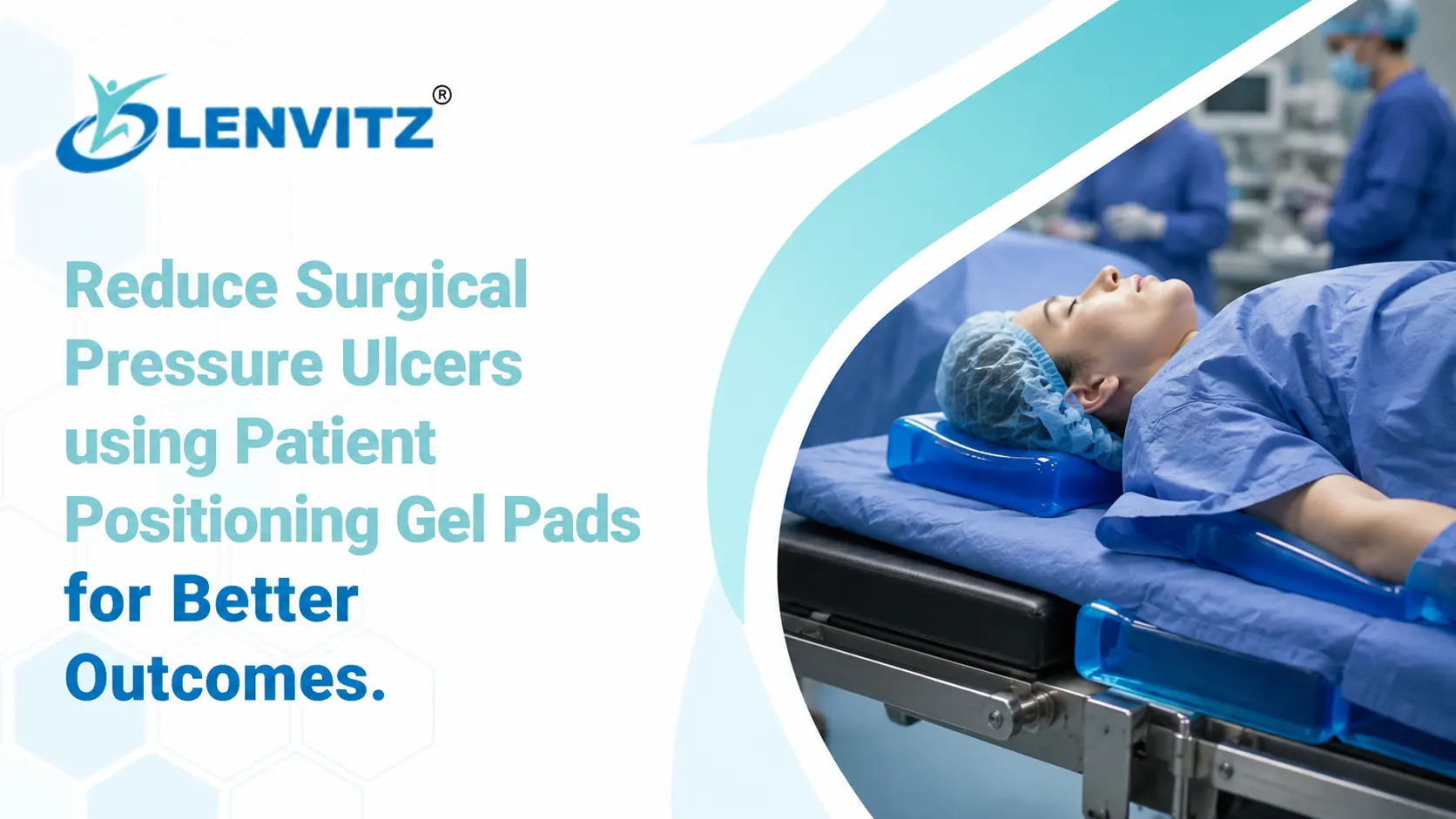
Silicon gel pads are the device-level answer to intraoperative pressure ulcer prevention. Not as a supplement to blankets and foam wedges, but as the primary contact surface between the patient and the operating table across every surgical position, every specialty, and every patient risk profile.
Understanding Why Surgical Pressure Ulcers Happen
Pressure ulcers that develop in the operating theatre are clinically distinct from those that form in ICU or ward settings. They develop faster, at lower pressure thresholds, and at anatomical sites that are specific to the surgical position being used. The combination of sustained immobility, anaesthetic-induced vasodilation followed by hypotension, hypothermia reducing peripheral perfusion, and the physical weight of the body concentrating on bony prominences creates a tissue injury environment that is unique to the intraoperative period.
The three compounding factors in OT pressure ulcer formation:
- Interface pressure exceeding capillary closure threshold – When pressure at a bony prominence exceeds 30–32 mmHg and is sustained, capillary blood flow to the overlying tissue is interrupted. Tissue ischaemia begins within 1–2 hours. The sacrum, heels, occiput, fibular head, and anterior iliac spines are the highest-risk sites depending on position
- Shear and friction at the skin-surface interface – When the body slides against the table surface during positioning, Trendelenburg tilting, or lateral table rolls, the shear force between the skin and the underlying tissue is more damaging than direct pressure alone. Standard OT table surfaces are low-friction for surgical reasons, but this increases shear injury risk significantly without a conforming patient positioning gel pads layer
- Microclimate and moisture – Anaesthetic agents suppress sweating regulation; surgical drapes trap heat; skin moisture from prep solutions and perspiration all increase skin vulnerability at the pressure interface. Medical-grade silicon gel pads manage microclimate better than foam by not absorbing moisture and by conforming to reduce friction
Understanding how patient positioning gel pads enhance surgical outcomes requires understanding these three mechanisms together because a positioning system that addresses pressure but ignores shear and microclimate is only partially effective.
Why Silicon Gel Pads Outperform Every Alternative
The choice of positioning material is not aesthetic. It is the single most controllable variable in intraoperative pressure ulcer prevention, and the evidence base consistently points to medical-grade silicon gel pads as the superior option over foam, memory foam, air overlays, and standard table padding.
What makes silicon gel pads clinically superior:
- True viscoelastic pressure redistribution – Medical-grade silicone flows under load, increasing the contact surface area and reducing peak interface pressure at bony prominences. Foam compresses vertically and creates a progressively firmer resistance surface as it bottoms out. Silicon gel pads never bottom out they continue redistributing pressure even after hours of sustained load
- Consistent protection across procedure duration – The protection a patient positioning gel pad provides in hour 1 should be equivalent to the protection in hour 4. With foam, it is not compression degrades performance continuously. With medical-grade silicone, interface pressure measurements at hour 4 are comparable to hour 1
- Conforming to individual patient anatomy – No two patients have the same body contour, weight distribution, or bony prominence profile. Silicon gel pads adapt to the specific anatomy beneath them rather than imposing a fixed surface geometry, ensuring genuine contact across irregular interfaces
- Hygiene and durability in the OT environment – Medical-grade silicon gel pads certified to ISO 10993 can be disinfected with IPA and clinical surface disinfectants between cases without material degradation. A single set of well-maintained silicon gel pads outperforms multiple cycles of disposable foam in both cost and clinical performance
For a direct material comparison, medical gel cushions vs regular cushions explains in clinical terms why the material difference matters for patient outcomes.
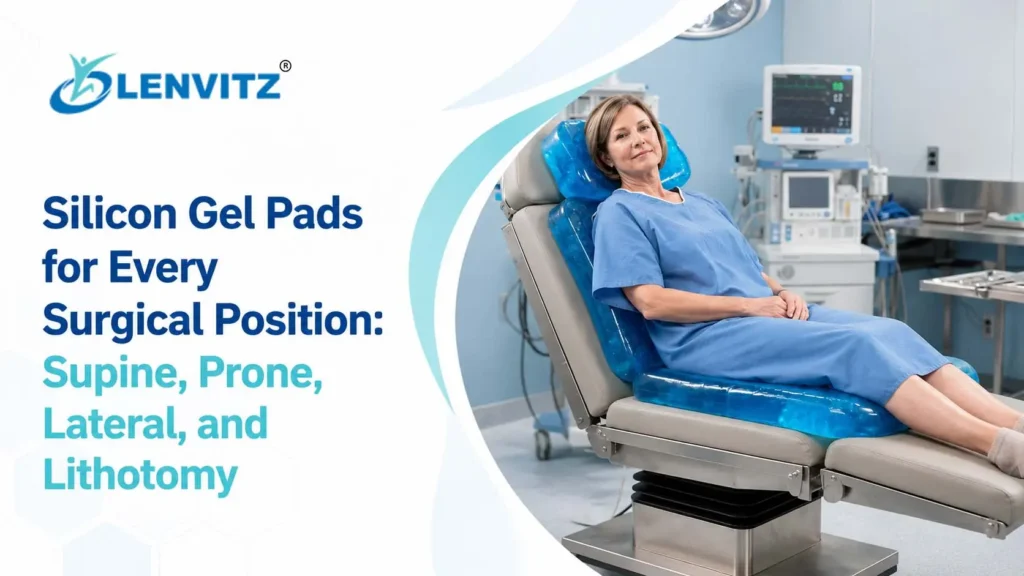
Patient Positioning Gel Pads by Surgical Position
Pressure ulcer risk is not uniform across the body it is determined entirely by which surfaces are in contact with which supporting structures in the position the patient is placed. A correctly equipped OT should have patient positioning gel pads configured for every position the theatre performs, not a single generic surface that is used regardless of the procedure.
1. Supine Position Gel Pads – Protecting the Posterior Surface
The supine position is the most commonly used surgical position in Indian operating theatres, covering the majority of abdominal, cardiac, urological, and orthopaedic procedures. It is also the position responsible for the highest absolute volume of intraoperative pressure injuries, because the anatomical risk sites sacrum, heels, and occiput are under sustained load for the full procedure duration without any natural relief mechanism.
Primary pressure injury sites in the supine position:
- Sacrum – The highest-risk site for intraoperative pressure ulcer formation across all surgical positions. The sacrum bears the concentrated weight of the posterior pelvis and lower torso, with minimal soft tissue buffer between the periosteum and the table surface. Supine position gel pads across the sacral contact zone reduce peak pressure at this site to below the ischaemic threshold
- Heels – The second most common site for intraoperative pressure injury in supine patients. The calcaneus is a small, dense bony prominence with minimal overlying tissue. Without heel gel pads, the heel rests in direct load-bearing contact with the table surface for the entire procedure. How heel pads improve circulation and reduce risk in supine positioning covers the specific clinical evidence for heel protection in supine cases
- Occiput – Particularly vulnerable in elderly, malnourished, and paediatric patients where scalp tissue is thin and skull contours are pronounced. A head section silicon gel pad or gel head ring eliminates occipital contact pressure without compromising head alignment or airway management
- Elbows and medial epicondyles – When arms are placed on arm boards or at the sides, the medial epicondyle contacts the supporting surface and compresses the ulnar nerve. Arm board gel pads distribute this contact pressure and simultaneously protect the nerve
Key benefits of supine position gel pads:
The role of supine position gel pads in orthopaedic, neurology, and cardiac surgeries documents how correctly configured patient positioning gel pads reduce intraoperative pressure injury incidence across the highest-volume surgical specialties using this position.
2. Lateral Position Gel Pads – Managing Asymmetric Compressive Loading
The lateral decubitus position creates a highly asymmetric pressure distribution that foam wedges and rolled blankets simply cannot manage. The dependent side bears the full torso weight concentrated on the shoulder, lateral rib cage, iliac crest, greater trochanter, and fibular head, a narrow band of bony prominences under maximum load for procedures that routinely run 3–5 hours in thoracic and urological specialties.
Critical pressure injury sites in the lateral position:
- Dependent shoulder and acromion – Bears the compressive weight of the upper torso; without correctly positioned lateral position gel pads beneath the axilla and chest wall, acromial and shoulder skin breaks down and brachial plexus compression injury develops simultaneously
- Iliac crest – The dependent iliac crest is a sharp bony prominence in contact with the table through only a thin layer of subcutaneous tissue. Lateral position gel pads that conform to the curved iliac profile distribute this load across the adjacent soft tissue, preventing focal pressure injury
- Greater trochanter – The most prominent bony point on the lateral thigh; documented source of lateral cutaneous nerve injury and trochanteric skin breakdown in hip and urological lateral cases
- Fibular head – The common peroneal nerve wraps around the proximal fibula and is directly exposed to compressive injury when the dependent knee rests against the table without silicon gel pads padding
The top benefits of lateral position gel pads for comfort and pressure injury prevention and lateral, supine, or prone, how to use OT table positioning gel pads for different surgical positions both provide the clinical framework for configuring lateral positioning systems for different specialties.
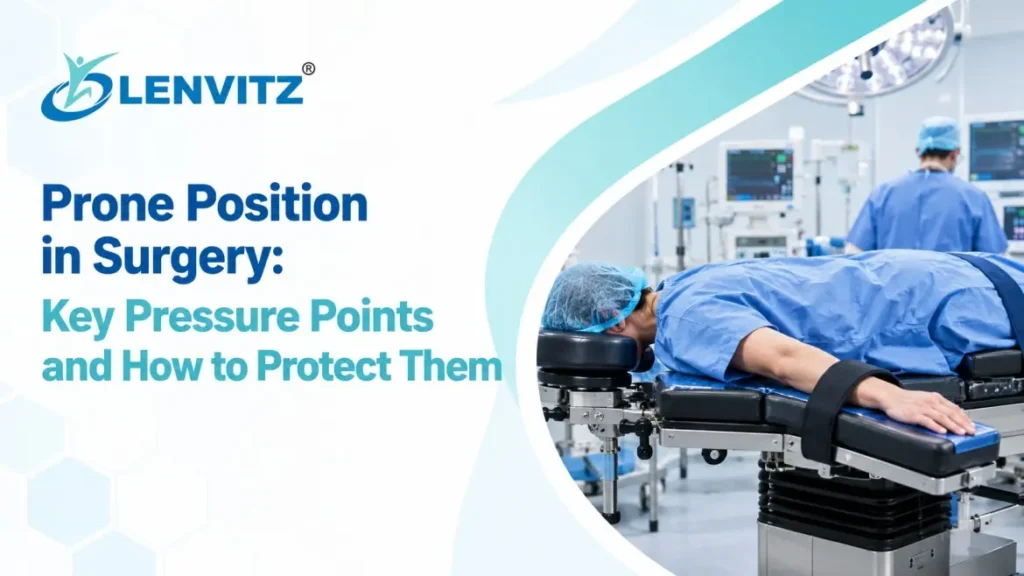
3. Prone Position Gel Pads – Protecting the Entire Anterior Surface
The prone position reverses the entire pressure distribution of surgery now the face, chest, anterior iliac spines, knees, and dorsal feet are all simultaneously at risk. The complexity of prone positioning means that a single inadequately padded surface creates multiple simultaneous pressure injury risks while also risking haemodynamic compromise from abdominal compression.
What correctly configured prone position gel pads achieve:
- Prone chest frames and silicon gel pads rolls create a suspended thoracic support that lifts the body off the table, creating a free-hanging abdominal zone that decompresses the inferior vena cava and reduces intraoperative blood loss in spinal procedures
- Prone head rest silicon gel pads — horseshoe, donut, or prone head rest configurations — protect the forehead, orbits, cheekbones, and chin from contact pressure while maintaining airway alignment and avoiding ocular compression that causes post-operative visual loss (POVL)
- Anterior iliac crest gel pads prevent the sharp anterior superior iliac spine from concentrating load against the table, a common source of skin breakdown in long prone spine procedures
- Knee and shin gel pads protect the patella and tibial periosteum; dorsal foot patient positioning gel pads prevent plantar hyperflexion and dorsal metatarsal skin breakdown
For the full clinical picture of prone positioning risks and the gel pads configurations that address them, addressing patient comfort and exploring the benefits of prone position gel pads covers the evidence base across spine, neurosurgical, and thoracic applications.
4. OT Table Positioning Gel Pads – The Baseline Layer That Everything Else Builds On
Before any specialised positioning devices are applied, the base surface the patient lies on determines the minimum pressure protection level for the entire procedure. A standard OT table surface is firm, low-friction, and designed for surgical access not for patient tissue protection.
OT table positioning gel pads, full-length gel mats that cover the table surface across head, torso, and leg sections provide the baseline pressure redistribution layer that reduces sacral, posterior thorax, and lower limb pressure before any specialised patient positioning gel pads are added. This is the single intervention with the widest protective coverage per unit of OT budget, because it applies across every surgical position the table is used for.
The importance of the OT table mat for patient comfort and stability and why a heavy-duty OT table mat matters for bariatric surgery support cover the specific product requirements for standard and high-weight-capacity applications in Indian theatre environments.
High-Risk Patient Profiles That Need Enhanced Gel Pad Protection
Not all patients carry equal pressure ulcer risk in the OT. The following profiles require upgraded patient positioning gel pads configurations additional coverage, higher-specification silicon gel pads, or intraoperative position checks at shorter intervals:
- Elderly patients (65+) – Reduced skin elasticity, thinner subcutaneous tissue, reduced tissue perfusion reserve, and higher likelihood of pre-existing vascular disease all compound pressure injury risk in the OT
- Diabetic patients – Peripheral vascular disease reduces tissue perfusion at baseline; neuropathy means post-operative nerve injury symptoms may be masked or misattributed; even moderate interface pressure sustained over 90 minutes carries significant injury risk
- Malnourished patients – Reduced serum albumin indicates impaired tissue repair capacity; bony prominences are more exposed without subcutaneous cushioning; the threshold for ischaemic injury is lower
- Vascular surgery patients – These patients are, by definition, under systemic vascular compromise throughout their procedure; intraoperative hypotension further reduces tissue perfusion at all pressure points simultaneously
- Paediatric and neonatal patients – Smaller body surface areas concentrate pressure at narrower bony prominence zones; neonatal skin is thinner and more fragile; specialised neonatal silicon gel pads are required rather than scaled-down adult configurations
Pressure Ulcer Prevention: Quick Reference Table
| Surgical Position | Key Risk Sites | Recommended Gel Pads |
|---|---|---|
| Supine | Sacrum, heels, occiput, elbows | OT Table Gel Mat + heel pads + head silicon gel pads |
| Lateral | Shoulder, iliac crest, fibular head, greater trochanter | Lateral Position Gel Pads + between-knee pad |
| Prone | Face, chest, iliac crest, knees, dorsal feet | Prone chest frame + head rest silicon gel pads + knee pads |
| Lithotomy | Fibular head, calf, sacrum, coccyx | Stirrup patient positioning gel pads + sacral pad |
| Trendelenburg | Shoulders, posterior neck, sacrum | Shoulder support gel pads + full OT table positioning gel pads mat |
| Reverse Trendelenburg | Heels, dorsal feet, sacrum | Foot board silicon gel pads + heel pads |
An OT Pressure Ulcer Prevention Checklist
Before every procedure, the OT team should verify:
- The OT table positioning gel pads mat is correctly fitted, free of tears, and has been disinfected since the last procedure
- All patient positioning gel pads specific to the planned surgical position are laid out and inspected before the patient enters the theatre
- High-risk patients (elderly, diabetic, malnourished, vascular) have been identified on the pre-operative checklist and enhanced silicon gel pads coverage has been applied at all relevant bony prominence sites
- Heel gel pads are in place for all supine and lithotomy cases regardless of planned procedure duration — heel pressure injury onset is rapid and unpredictable
- For all procedures planned to exceed 2 hours, a mid-procedure position check is scheduled and the circulating nurse has confirmed it
- All patient positioning gel pads are at room temperature before patient contact, cold silicone causes peripheral vasoconstriction that compounds pressure injury risk
- Post-procedure, the patient’s skin at all bony prominences is inspected and any findings are documented before recovery handover
The comprehensive from head to heel pressure injury prevention in the OR guide provides the evidence base and detailed protocols behind each of these checklist items.
The Indian OT Context
Indian hospitals report pressure ulcer incidence across all care settings, but intraoperative pressure ulcers specifically are significantly underidentified. The injury often manifests 12–48 hours post-operatively as a Stage I or Stage II ulcer at a site consistent with the surgical position used but without systematic post-operative skin inspection linked to OT positioning records, the connection is not made and the OT positioning protocol is not reviewed.
NABH accreditation standards explicitly include pressure injury prevention as a patient safety domain, and OT positioning protocols are increasingly audited as part of accreditation cycles. Theatre managers and clinical leads who have not yet reviewed their patient positioning gel pads inventory against their current procedure mix and patient risk profile are carrying a preventable accreditation and medico-legal risk.
Upgrading from foam to medical-grade silicon gel pads across OT table surfaces and surgical positions is not a capital expense exclusive to large corporate hospitals. Exploring the different types of patient positioning gel pads for various surgical positions and why surgeons trust Lenvitz positioning gel pads in high-risk surgeries together outline both the clinical case and the practical procurement pathway for theatres at every level.
FAQ’s
For most patients on adequately protected surfaces, risk is low in the first 90 minutes. For high-risk patients elderly, diabetic, vascular disease, malnourished clinically significant tissue injury can begin within 60 minutes of sustained interface pressure above the capillary closure threshold. Patient positioning gel pads reduce interface pressure below this threshold, extending the safe window, but high-risk patients should still be prioritised for intraoperative position checks in long procedures.
Medical-grade silicon gel pads are available in standard, bariatric, and paediatric specifications. Standard patient positioning gel pads are rated for typical adult weight ranges. Bariatric OT table positioning gel pads are engineered for higher load capacity with enhanced thickness and density to prevent bottoming-out under greater body weight. Neonatal and paediatric silicon gel pads are scaled for smaller body surface areas and thinner skin. Selecting the correct specification for the patient population is covered in how to choose the right silicon gel pads for your medical facility.
Yes, medical-grade silicon gel pads are designed for reuse across many procedure cycles with correct cleaning and inspection. Between cases, patient positioning gel pads should be wiped with IPA 70% or an equivalent OT-grade surface disinfectant, inspected for tears or deformation, and stored flat. Damaged silicon gel pads should be removed from service. When properly maintained, a set of medical-grade patient positioning gel pads is significantly more cost-effective than repeated disposable foam replacement.
No. Lateral position gel pads, axillary rolls, between-knee pads, hip positioners — address the specific compressive risks of the lateral decubitus position at individual anatomical sites. The OT table positioning gel pads mat provides the full-body baseline pressure redistribution layer that the specialised positioners build on. Both are required for comprehensive pressure ulcer prevention in lateral cases.
A practical starting point is to review your post-operative skin inspection records for evidence of pressure injuries at sites consistent with OT positioning, sacrum, heels, occiput for supine cases; fibular head and shoulder for lateral cases; face and iliac crest for prone cases. If findings are present but not being attributed to OT positioning, the gap is both clinical and documentation-related. A positioning audit mapped against from head to heel pressure injury prevention in the OR will identify where your current protocol falls short.