Stable patients are integral to an operating theatre.Patient stability is important in an operating theatre.
The position of the patient is among the most crucial parts of surgical treatment. The right position not only offers the surgeon the best access to the area he or she is operating on but also helps protect the patient during the procedure. Patients may be positioned in a lateral, prone or supine position for extended periods of time during long surgeries and finding a stable position and maintaining comfort can be difficult.
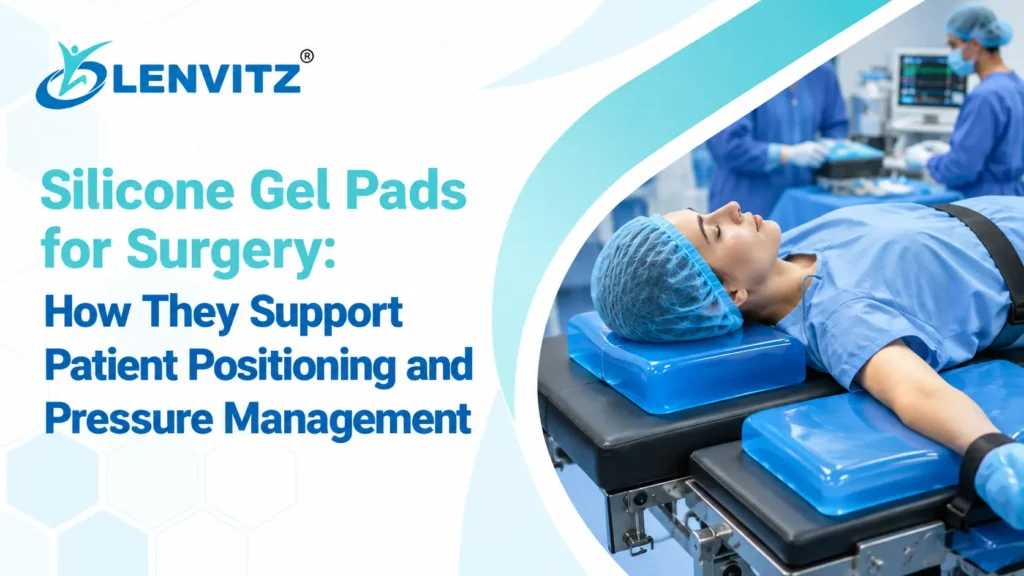
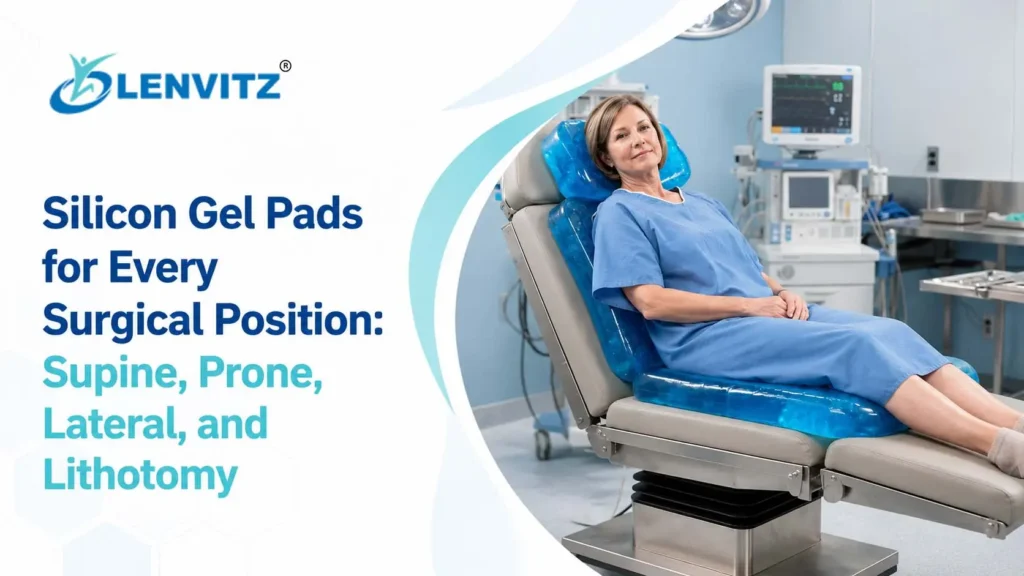
Position gel pads come in handy here. They are designed to distribute pressure evenly to reduce pressure injuries, provide stability for the patient during surgical procedures and support different parts of the body.
In today’s context, where healthcare facilities rely heavily on technology for optimal patient care and preparation, Patient Positioning Gel Pads play a vital role in elevating the surgical experience, comfort and safety in the operating room.
What are Position Gel Pads?
Position gel pads are medical-grade support accessories that are placed in the operating room to cushion, redistribute pressure and stabilize the body during procedures. These pads consist of excellent quality gel material that will contour to the anatomy of a patient and yet will keep its shape under pressure.
In comparison to conventional foam pillows, silicon gel pads provide more pressure relief and durability. Their soft, pliable design minimizes areas of pressure that may cause tissue damage, nerve pinching or postoperative pain.
These pads are utilized by healthcare workers in a number of surgical positions such as:
- Lateral position
- Supine position
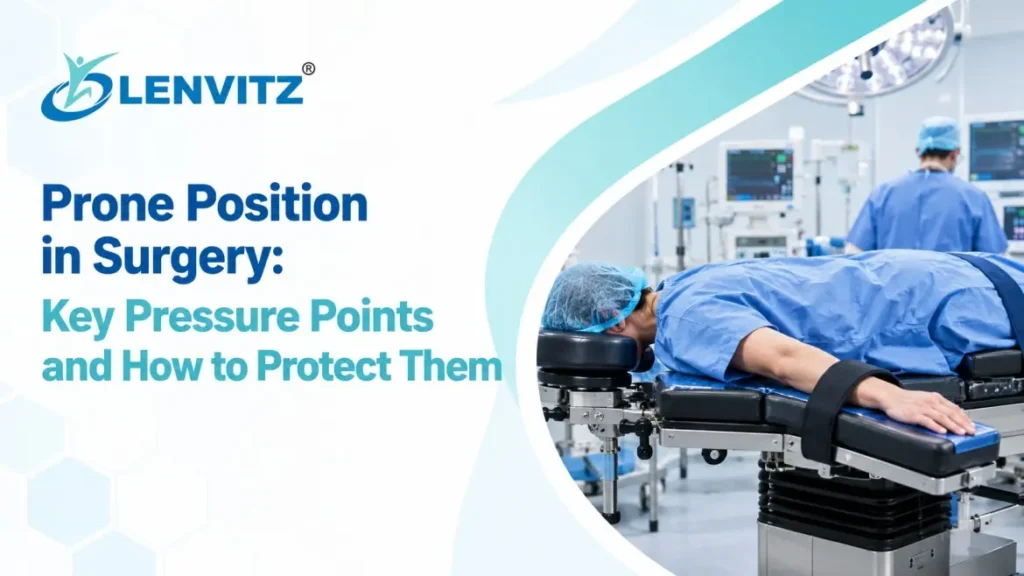
- Prone position
- Lithotomy position
- Trendelenburg position
These pads enhance body alignment and stability, playing a key role in patient safety.
Knowing and applying the function of Lateral Position Gel Pads
Lateral position is frequently utilized in orthopedic, thoracic, kidney and spine surgery. The patient lies on one side for a long time in this position.
It is important to keep the back straight during these procedures. If untreated, patients can suffer from:
- Pressure sores
- Nerve injuries
- Musculoskeletal strain
- Skin breakdown
- Circulatory complications
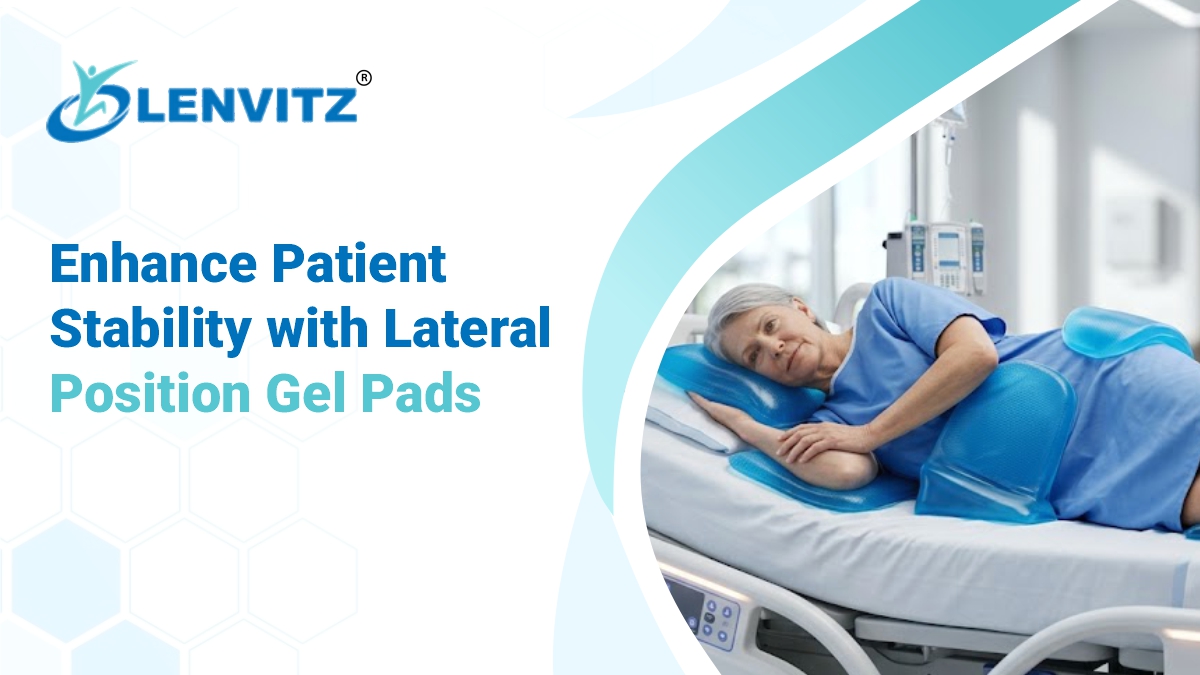
Specially designed Lateral Position Gel Pads stabilise the body and protect sensitive areas like:
Hips
- Shoulders
- Knees
- Ankles
- Elbows
- Head and neck
The use of ot table positioning gel pads helps to keep patients securely positioned during the procedure and helps to minimize patient movement and improve surgical accuracy.
The advantages of position Gel Pads in the OT are numerous.
1. Enhanced Patient Stability
The most beneficial thing about Position gel pads is enhanced stability. Surgical accuracy, and risk, may be compromised by patient movement even during surgery.
Lateral positioning gel pads help:-
- Secure body alignment
- Avoid movement during procedures
- Ensure that the body is supported in natural positions.
- Make the surgeon’s access to the operating site easier.
Stable positioning helps facilitate a smooth surgical workflow and improved outcomes.
2. Effective Pressure Redistribution
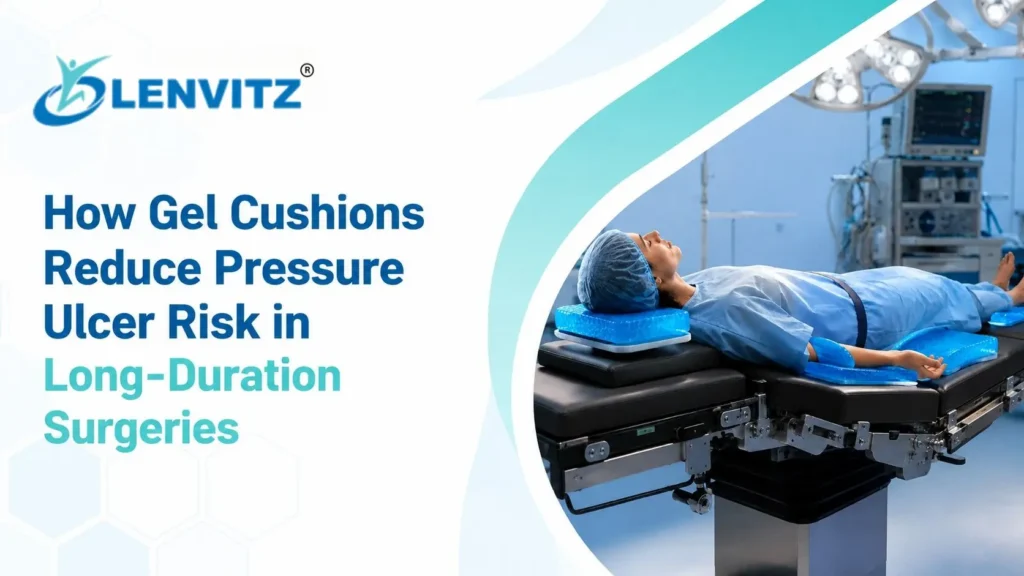
Long surgical treatments may be applied to a particular body area at all times. This pressure can decrease the flow of blood and cause pressure sores.
Silicon gel pads spread out weight over more area so that there are no concentrated areas of pressure, which would cause tissue damage.
This feature is particularly useful for:
Elderly patients
- Bariatric patients
- Patients who have reduced mobility
- Long-duration surgeries
3. Lowered possibility of nerve injuries.
Incorrect positioning may put pressure on nerves and lead to issues after surgery like weakness, numbness or pain in the body.
Patient Positioning Gel Pads ensure a uniform cushioning and support of delicate nerve pathways.
Typical protected areas are:
- Brachial plexus
- Ulnar nerve
- Peroneal nerve
- Sciatic nerve
If nerves are compressed during surgery, the risk is lower if they are properly positioned.
4. Improved Patient Comfort
Patients are frequently under anesthesia for procedures, however, good support is still vital. Postoperative pain and complications due to recovery are minimized by comfortable positioning.
Silicon gel pads are soft and flexible, ensuring optimal comfort during the process and adequate support.
5. Enhanced Surgical Efficiency
Improved patient positioning ensures that surgical teams can concentrate on the surgery and avoid frequent changes to patient positioning.
Benefits include:
- Improved surgical access
- Reduced repositioning time
- Better workflow efficiency
- Enhanced OR productivity
Therefore, ot table positioning gel pads are essential in today’s surgical settings.
There are several reasons silicon gel pads are preferred in the modern operating room:
Silicon gel pads have a number of properties that make them ideal for use in the healthcare sector, where they are becoming more popular.
- Superior Pressure Management
The silicon gel is naturally contoured to the body with support. This allows for better pressure distribution than most traditional materials.
- Durable and Long-Lasting
Quality gel pads will not lose their shape with repeated use, offering a good value in the hospital or surgical center.
- Easy to Clean and Maintain
Prevention of infection is a priority in health care facilities. Disinfecting and cleaning surfaces with silicon gel is easy and hygienic as per hospital standards.
- Skin-Friendly Material
Medical grade gel materials are made to be kind to the skin so as to lessen friction and skin breakdown.
Position gel pads offer a reliable positioning solution for patient positioning needs in a variety of specialties.
OT Table Positioning Gel Pads can be used in the following ways:
OT table positioning gel pads are general purpose pads that can be used in many surgical specialties.
- Orthopedic Surgery
With orthopedic surgeries, many times, correct positioning is needed for long periods of time. Gel pads reduce pressure sensitive areas and allow for alignment.
- Neurosurgery
Neurosurgical procedures require an adequate head and body stabilisation. Delicate positioning requirements are supported by positioning gel pads.
- Thoracic Surgery
Lateral positioning is commonly seen in thoracic procedures. Gel pads are used to stabilize and eliminate pressure complication.
- Urological Surgery
The positioning of patients for many urological procedures is dependent on the need for specialized positioning support that ensures safety of the patient and accessibility by the surgeon.
- General Surgery
Whether it’s for simple positioning or complex surgery, Patient Positioning Gel Pads contribute to a safe and stable surgical environment.
Choosing the Right Patient Positioning Gel Pads
There are a number of factors to consider when choosing the right Patient Positioning Gel Pads.
- Size and Shape
Each surgery has its own unique support set-up. Facilities should select pads appropriate for various anatomical areas and positioning needs.
- Material Quality
Medical-grade silicon gel pads are the most durable, pressure-distributing and comfortable option available.
- Ease of Cleaning
Reusable pads should have a facility and systems that allow for easy cleaning and disinfection practices.
- Available for any OT Tables.
Make sure selected ot table positioning gel pads fit to existing positioning systems and operating tables.
- Clinical Requirements
When choosing positioning products, think about the procedures that need to be performed and the patients that they are being used on.
Hand-out on using position gel pads in OT.
Healthcare providers should adhere to known positioning protocols to tap the full potential of Position gel pads.
- Conduct Preoperative Assessment
Assess patient-related risk factors including:
- Age
- Weight
- Existing pressure injuries
- Mobility limitations
- Surgical duration
- Position Carefully
Align all body parts properly prior to the procedure.
- Monitor During Surgery
As necessary for long procedures, re-check positioning and pressure points at regular intervals.
- Ensure that Appropriate Support Combinations are used.
Several Patient Positioning Gel Pads may be needed for different surgeries to provide optimal support and stability.
- Follow Manufacturer Guidelines
Good care and handling extends the life of the product and maintains good performance.
The Future of Patient Positioning in Surgical Care
With the ongoing development of surgical techniques, patient safety is of paramount importance. Modern Position gel pads are also getting more advanced, with enhanced ergonomics, pressure redistribution and support during complex procedures.
Advanced silicon gel pads and ot table positioning gel pads are helping hospitals and surgical centers minimize complications, enhance patient results and help healthcare experts deliver high quality care.
As the understanding and knowledge of prevention of pressure injuries and positioning safety during surgery has increased, these products have become a necessary instrument in today’s operating rooms.
Conclusion
A key element to the success of surgery is patient stability. The correct positioning helps to reduce risks, improves surgical access and protects the patient from pressure-induced complications. Healthcare facilities can enhance patient safety and optimize workflow efficiency by introducing high-quality Position gel pads into their operating room workflow.
Patient Positioning Gel Pads offer a dependable, comfortable protection for the patient throughout the surgical procedure, no matter the use whether for lateral positioning, pressure redistribution or surgical support. The purchase of high-quality silicon gel pads and ot table positioning gel pads is indeed a sensible move towards safer, more effective, and patient-centric surgery care.
FAQ’s
Lateral position gel pads are used to support and stabilize patients who are positioned on their side during surgical procedures. They help maintain proper body alignment, reduce pressure on sensitive areas, and minimize the risk of pressure injuries and nerve compression.
Patient positioning gel pads improve safety by evenly distributing pressure, preventing patient movement, protecting vulnerable anatomical areas, and reducing the risk of complications such as pressure ulcers, skin breakdown, and nerve injuries during surgery.
Patient stability is essential because even slight movement can affect surgical precision and access to the surgical site. Proper positioning helps surgeons work efficiently while reducing the risk of intraoperative and postoperative complications.
Lateral position gel pads are commonly used in orthopedic, thoracic, spinal, kidney, and certain neurosurgical procedures where patients must remain in a side-lying position for extended periods.
Gel pads provide cushioning around vulnerable nerve pathways and help maintain proper body alignment. This reduces excessive pressure on nerves such as the ulnar, peroneal, sciatic, and brachial plexus nerves.
The right gel pad depends on the surgical procedure, patient size, positioning requirements, material quality, compatibility with the operating table, and the level of pressure redistribution needed for optimal support.