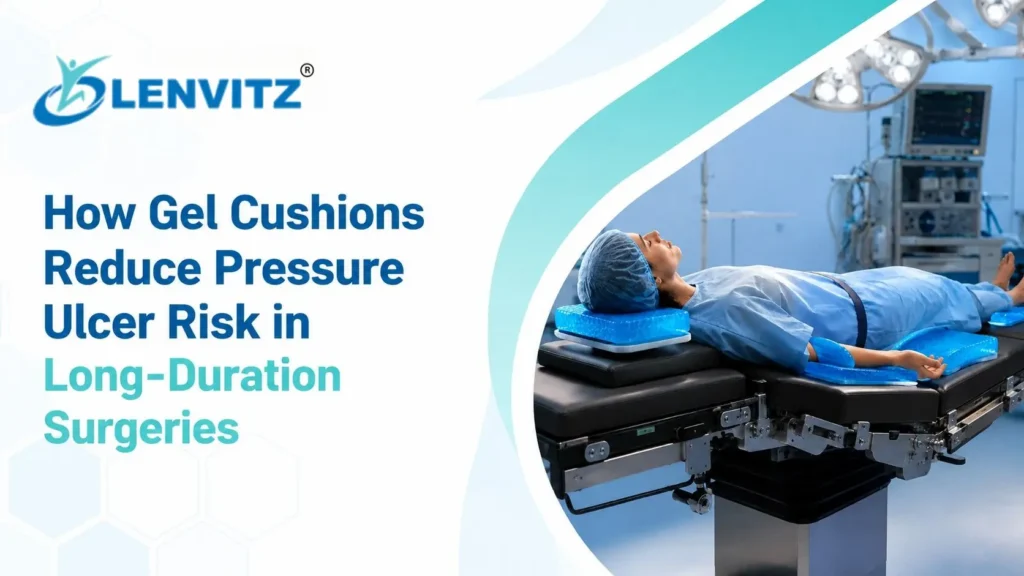
In the operating theatre, every detail matters – and head positioning is one detail that gets far less attention than it deserves. While most discussions around surgical patient positioning focus on the lower body, the head is under sustained pressure for the entire duration of every surgery. For a 30-minute procedure, that is manageable. For a 4-hour neurosurgery or a complex general surgery, unprotected head positioning can cause scalp injury, cervical strain, nerve damage, and postoperative complications that have nothing to do with the surgery itself.
In the operating theatre, every detail matters – and head positioning is one detail that gets far less attention than it deserves. While most discussions around surgical patient positioning focus on the lower body, the head is under sustained pressure for the entire duration of every surgery. For a 30-minute procedure, that is manageable. For a 4-hour neurosurgery or a complex general surgery, unprotected head positioning can cause scalp injury, cervical strain, nerve damage, and postoperative complications that have nothing to do with the surgery itself.
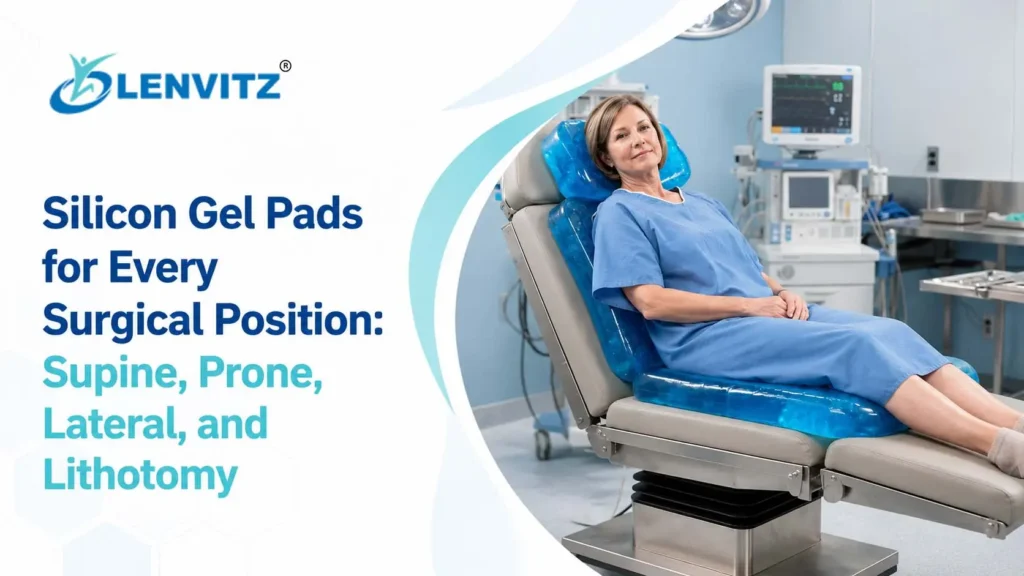
Head gel pads-including the head ring, silicon head ring, and prone head rest- are the solution. These specialised positioning devices protect the skull, cervical spine, facial structures, and airway across a wide range of surgical positions. In Indian hospitals scaling up their neurosurgery and general surgery volumes, understanding how and when to use each type of head gel pad is no longer optional it is part of delivering safe, standardised, NABH-compliant surgical care.
Why Head Positioning Matters in Surgery
When a patient is anaesthetised, they lose all ability to self-adjust. They cannot shift their head, relieve pressure on a sore point, or protect a compressed nerve. This means the OT nurse and anaesthetist carry full responsibility for maintaining a safe head position from the moment the patient is positioned until they are transferred to recovery.
The risks of incorrect or unsupported head positioning include:
- Occipital pressure injuries – The back of the skull (occiput) is a hard bony prominence with very little soft tissue. Sustained pressure on an unpadded OT table over 2–3 hours causes skin breakdown, scalp necrosis, and occipital alopecia : pressure-induced hair loss that is distressing for patients and entirely preventable
- Cervical spine strain – Without proper neutral alignment, the neck is held in rotation or lateral flexion under anaesthesia for hours causing significant postoperative neck pain and stiffness
- Brachial plexus injury – Improper head and neck positioning stretches the brachial plexus – the major nerve network running from the cervical spine into the shoulder and arm – causing postoperative arm weakness, numbness, or pain
- Facial pressure injuries – In prone surgeries, the face rests forward, placing the forehead, eyes, cheeks, and chin at direct risk of pressure injury if not correctly supported
- Eye injury in prone position – One of the most serious complications of prone surgery – sustained pressure on the orbit can cause post-operative visual loss (POVL), a catastrophic and largely irreversible complication
Understanding how patient positioning gel pads enhance surgical outcomes is the first step to building a safer OT protocol. Head gel pads directly address every one of these risks.
Types of Head Gel Pads and Their Surgical Applications
1. Head Ring Gel Pad – The Universal Head Support
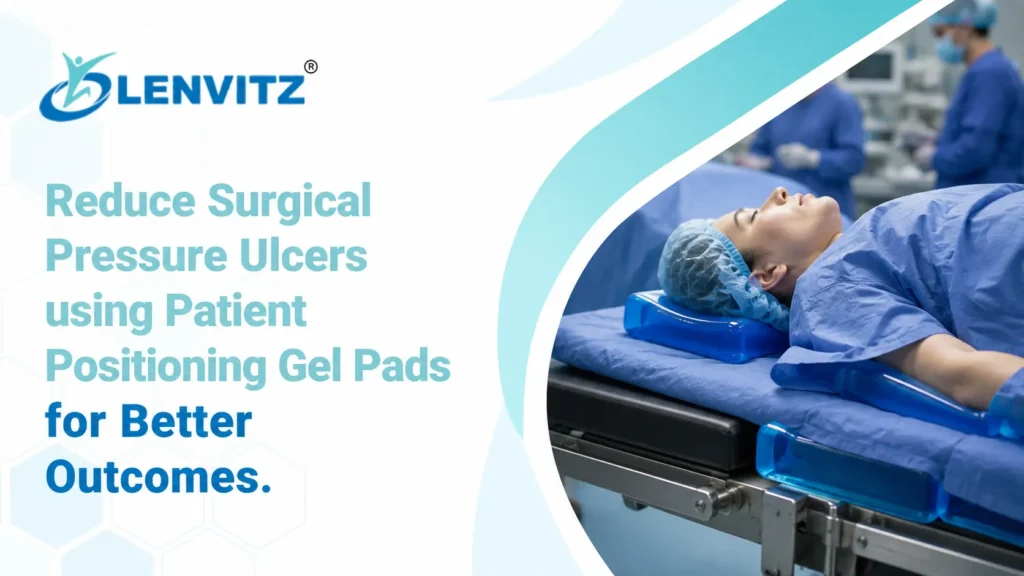
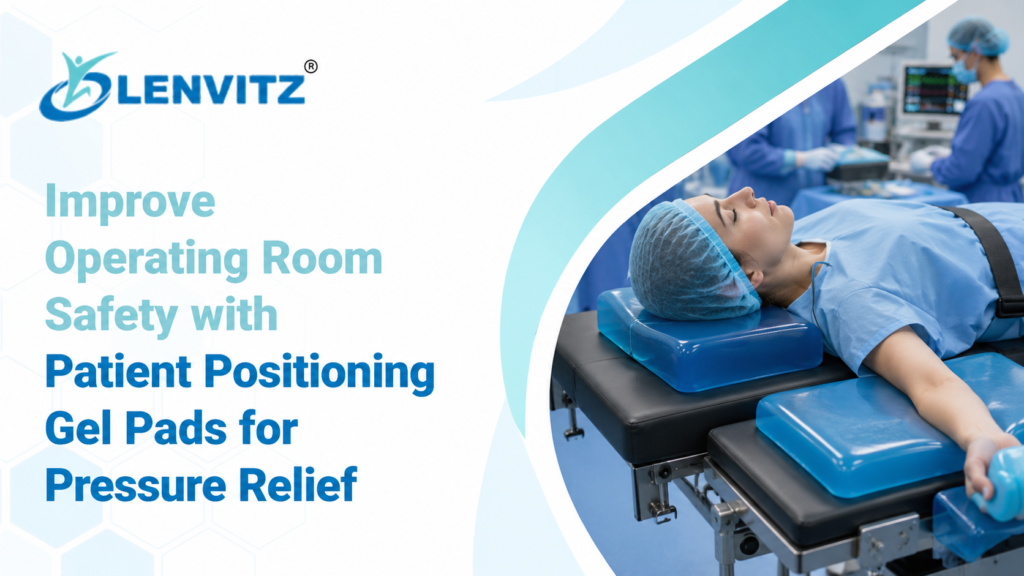
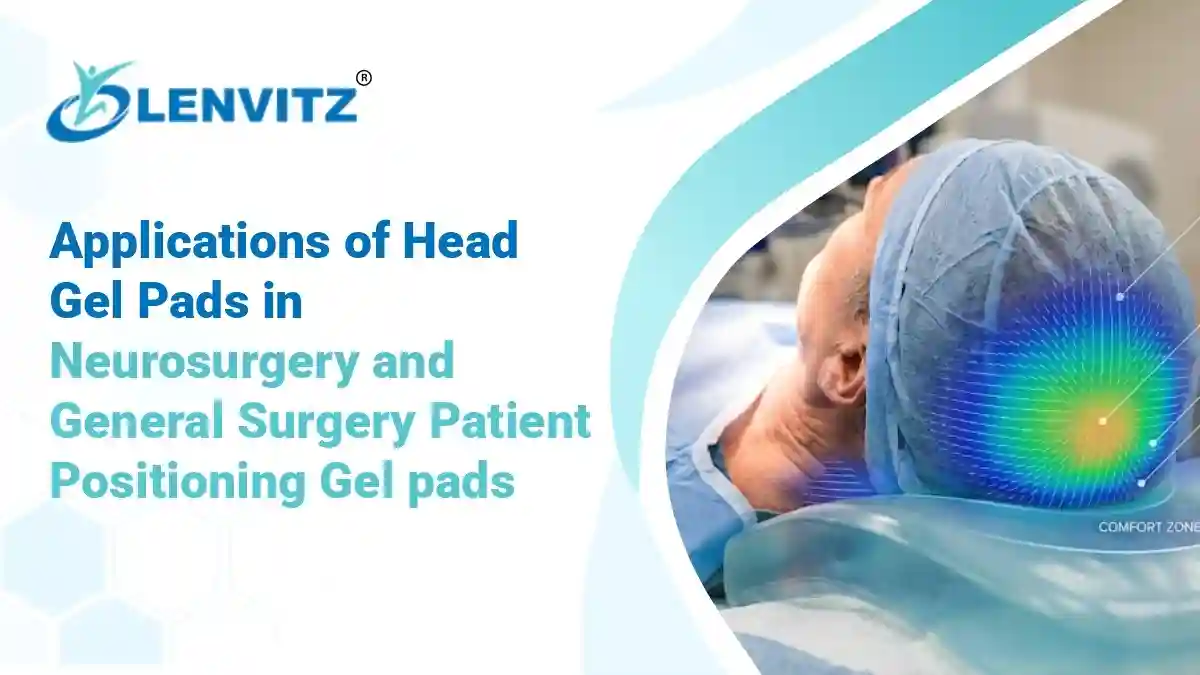
The head ring is the most widely used head positioning device across both neurosurgery and general surgery. It is a circular or horseshoe-shaped gel cushion that cradles the skull in a ring, creating a pressure-free space beneath the occiput. The head rests on the rim of the ring – not on the flat table surface – dramatically reducing peak interface pressure at the back of the skull.
Primary surgical applications:
- Supine general surgery: Any procedure where the patient lies on their back – abdominal surgery, cardiac surgery, thoracic surgery, thyroid surgery – places the occiput under sustained pressure. A head ring gel pad is essential for all supine cases lasting more than 30 minutes
- Supine neurosurgery: Anterior cranial, temporal, and frontal lobe procedures performed with the patient supine require precise, stable head positioning with zero pressure injury risk over procedures lasting 3–8 hours
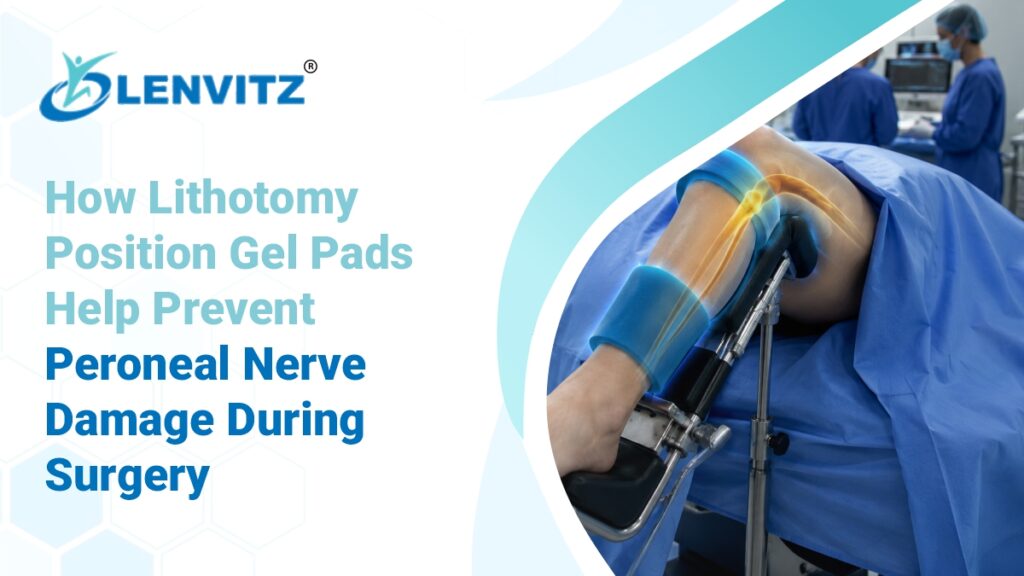
- Gynaecological and urological surgery: In lithotomy positioning, the head ring works alongside supine position gel pads to provide full-body protection from head to heel during prolonged pelvic procedures
- ENT and maxillofacial surgery: Neck and head surgeries require the head ring to provide stable, non-slip support while keeping the surgical field fully accessible
Key benefits:
- 360° or horseshoe pressure distribution around the skull
- Maintains neutral head alignment and prevents cervical rotation
- Protects ear cartilage from compression during lateral head turns
- Available in adolescent and adult sizes – always confirm the correct size before placement
- Non-slip gel base prevents shifting when the table is tilted or repositioned For Indian OT teams: The head ring is often used only for prone surgeries in Indian practice – this is a significant clinical gap. It should be on every supine and lithotomy patient, not just prone cases.
2. Silicon Head Ring – Enhanced Stability for Long Procedures
The silicon head ring offers the same core protective function as the standard head ring but with enhanced material properties designed for extended surgical durations. Made from high-density medical-grade silicone, it maintains its shape and cushioning properties throughout even the longest neurosurgical and spinal procedures – where cases can run 6–10 hours.
Primary surgical applications:
- Posterior fossa and brainstem neurosurgery: These complex procedures require the patient in sitting, semi-sitting, or lateral positions for many hours. The silicon head ring provides stable, durable support without compression fatigue
- Long spinal surgeries: Multi-level spinal fusion and scoliosis corrections are among the longest surgeries performed. The silicon head ring ensures the head is protected and stable throughout
- Paediatric neurosurgery: Smaller paediatric silicon head rings are available and essential – children have thinner skulls and more vulnerable scalp tissue than adults, making gel-based head protection mandatory
Why silicon over standard foam for long cases:
Foam pads compress permanently under sustained load – a phenomenon called bottoming out – where the protective gap between the patient and the hard surface disappears. Medical-grade silicone does not bottom out. It returns to its original shape repeatedly, maintaining pressure redistribution throughout the entire procedure. This makes the silicon head ring the correct choice for any case expected to exceed 90 minutes.
The head gel pad– also called the head base gel pad – provides broader, flatter coverage of the entire posterior skull compared to a ring design. Instead of a rim-and-space configuration, it cushions the full contact surface of the back of the head.
3. Head Gel Pad (Head Base Gel Pad) – Full Posterior Skull Coverage
Primary surgical applications:
- General surgery in supine position: For patients who require full posterior skull support rather than ring-style positioning particularly useful for patients with irregular skull shapes, post-craniotomy patients, or patients with existing scalp conditions
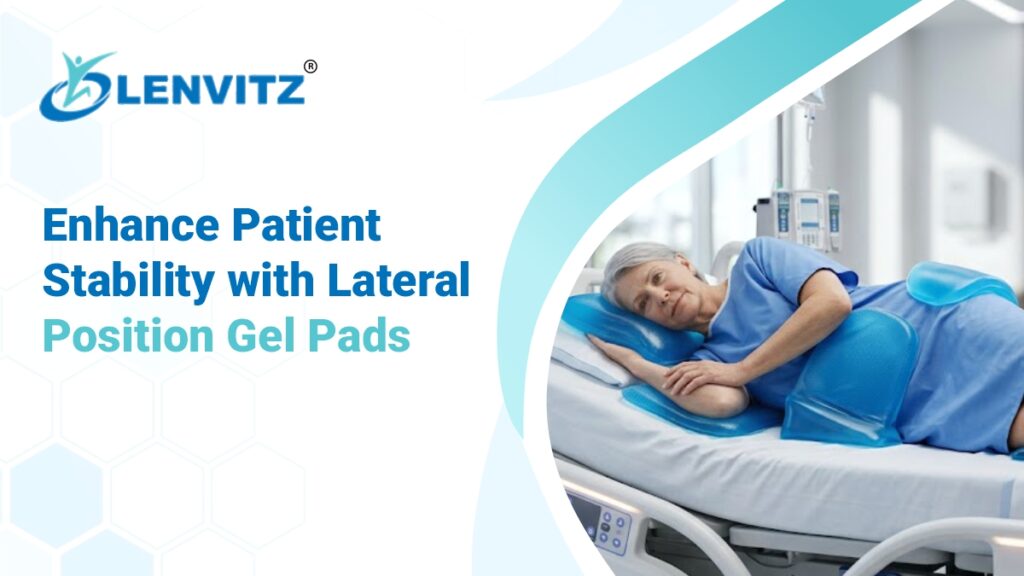
- ICU and prolonged recovery positioning: Head base gel pads are used beyond the OT in ICU beds and recovery rooms where patients remain immobile for extended periods
- Paediatric and neonatal use: Flat head gel pads are widely used in paediatric care where ring designs may be too large or create uneven pressure distribution
Key advantage over the head ring:
The head base gel pad distributes pressure across a larger, flatter surface area making it the preferred option for patients where a ring design creates a pressure hotspot rather than relieving one. Reviewing how head gel pads support spinal alignment during surgery explains further why both designs serve distinct clinical needs.
4. Prone Head Rest – Critical Protection for Prone Surgery
The prone head rest is a specialised gel pad designed specifically for surgeries performed in the prone position – where the patient lies face-down. This is the most challenging head positioning scenario in all of surgery because the face, forehead, and orbits are now the primary pressure points.
Primary surgical applications:
- Posterior spine surgery: Laminectomy, discectomy, spinal fusion, and deformity correction are the most common prone surgeries. These procedures often last 3-6 hours, placing enormous sustained pressure on the face and forehead
- Posterior cranial surgery: Occipital and cerebellar procedures require the patient prone or in the park-bench position – the prone head rest cradles the face and forehead while keeping the surgical field at the back of the skull fully accessible
- Thoracic and posterior rib surgeries: Access to the posterior chest wall requires prone positioning – head rest gel pads protect the face during these procedures
What the prone head rest protects:
- Forehead and frontal scalp: Primary pressure point in prone positioning – the prone head rest offloads sustained pressure from the frontal bone
- Orbital protection: Critical – sustained pressure on the eyes in prone position compresses the optic nerve and retinal vessels. Post-operative visual loss (POVL) is a documented complication of prolonged prone surgery without adequate eye protection. A well-designed prone head rest removes all orbital pressure
- Chin and cheek soft tissue: Prevents facial pressure sores in long prone cases
- Nasal bridge: Protects the cartilage of the nose from sustained contact pressure
- Airway management: The prone head rest design maintains a clear breathing space for spontaneously breathing patients and supports the endotracheal tube position in intubated cases Understanding how prone head rest protects patients from pressure injuries is essential reading for any OT nurse managing spine or neurosurgical cases.
Head Gel Pads Across Surgical Positions – Quick Reference
| Surgical Position | Recommended Head Support | Primary Risk Prevented |
| Supine (all surgeries) | Head Ring Gel Pad | Occipital pressure injury, cervical strain |
| Supine + Lithotomy | Head Ring + Supine Gel Pads | Scalp injury, occipital alopecia |
| Long procedures (>90 min) | Silicon Head Ring | Bottoming out failure, sustained compression |
| Irregular skull / broad coverage | Head Base Gel Pad | Full posterior skull pressure injury |
| Prone (spine, neuro, thoracic) | Prone Head Rest | POVL, facial injury, orbital compression |
Choosing the Right Head Gel Pad: Checklist for Indian OT Teams
Before every surgical case, the OT nurse and anaesthetist should confirm:
- Head ring placed under the occiput for all supine and lithotomy procedures – before anaesthesia induction
- Silicon head ring selected for any procedure expected to exceed 90 minutes
- Prone head rest in position and correctly adjusted for all prone surgeries – orbital clearance confirmed
- Head base gel pad selected for patients with irregular skull anatomy, post-craniotomy patients, or ICU/recovery cases
- Correct size confirmed – adolescent vs adult (head rings) and paediatric vs adult (prone head rest)
- Pad is ISO 10993 certified – medical-grade silicone, not foam or standard cushion
- Pad survives your facility’s disinfection protocol – IPA, Cidex, or equivalent
- Placement documented in intraoperative nursing notes for NABH audit compliance
The Indian Hospital Context
India’s neurosurgery and general surgery volumes are growing rapidly. Hospitals across Mumbai, Delhi, Chennai, Hyderabad, and Tier-2 cities are performing increasingly complex and lengthy procedures – posterior fossa tumour resections, multi-level spinal fusions, long abdominal oncological surgeries – all of which place patients at significant head positioning risk.
Yet head gel pad protocols remain inconsistently implemented across Indian OTs. Many facilities still use foam cushions or folded linen for head support – materials that offer no sustained pressure protection and no clinical accountability. With NABH accreditation standards tightening and patient awareness growing, this gap is both a clinical risk and an institutional liability. Choosing the right lithotomy position gel pads for pelvic procedures is just one part of a complete positioning protocol. For neurosurgery and general surgery, the head ring, silicon head ring, head base gel pad, and prone head rest form the equivalent essential toolkit -protecting the patient from the very first moment they are positioned on the OT table.
Frequently Asked Questions
No – this is the most common misconception in Indian OT practice. Head ring gel pads and head base gel pads are essential for all supine and lithotomy procedures as well. The prone head rest is specifically designed for face-down surgeries, but every surgical position carries head pressure risk.
POVL is a rare but catastrophic complication of prone surgery where sustained pressure on the orbit compresses the optic nerve and retinal blood supply, causing partial or complete blindness after surgery. It is largely preventable with a correctly fitted prone head rest that provides complete orbital clearance.
A silicon head ring uses higher-density medical-grade silicone that does not compress or deform under sustained load over long procedures. A standard head ring may be adequate for short cases under 60 minutes. For any case over 90 minutes, the silicon head ring is the safer, more durable choice.
A prone head rest is used when the patient is face-down – it supports the forehead, face, and chin while protecting the eyes and airway. A head ring is used when the patient is supine or in lithotomy – it supports the back of the skull. Both serve completely different anatomical needs and are not interchangeable.