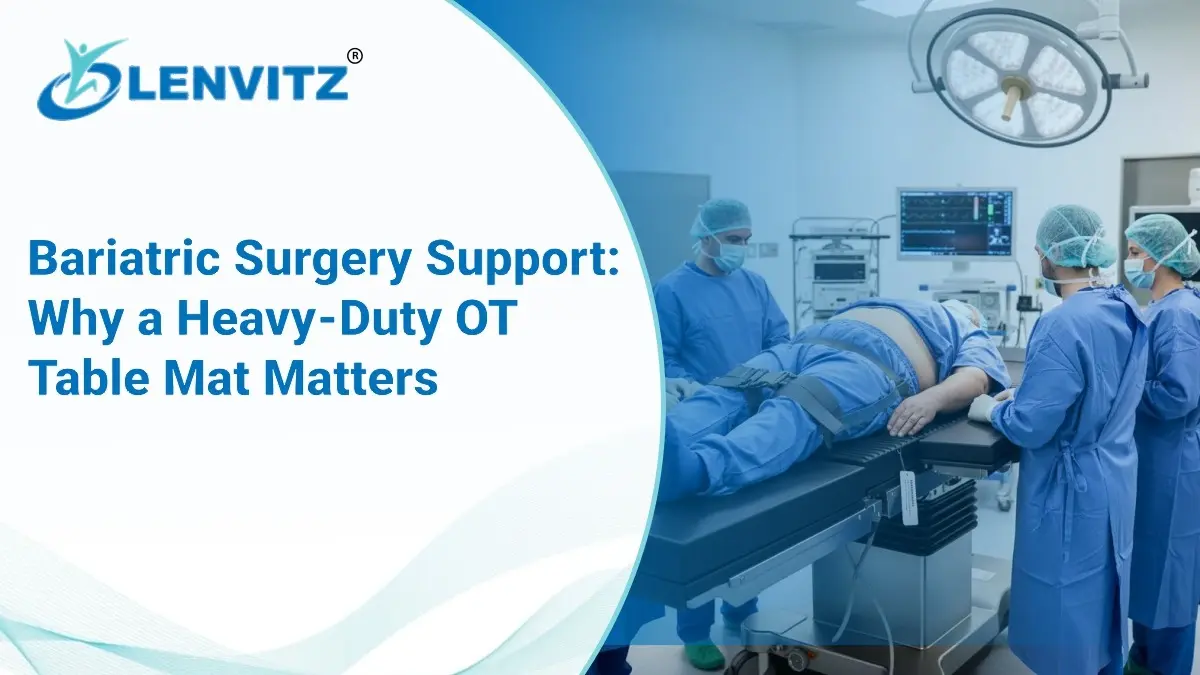
Bariatric surgery exceeds the use of operating-room equipment, particularly the OT table and the positioning surfaces. With increasing weight, the risks of developing pressure injuries, nerve damage and positioning issues increase exponentially. This is why OT table mats and high-quality silicone gel pads are not optional; they are a must-have, heavy-duty item.
This guide explains the importance of a strong OT table mat in bariatric surgery, how silicone gel cushions are made safer and more comfortable, and features surgeons, anaesthetists.
Learning the Bariatric Surgery Positioning Issues
Bariatric surgery is commonly complicated. The procedures are lengthy and demanding in terms of positioning. The usual types of bariatric surgery are:
- Laparoscopic sleeve gastrasectomy.
- Gastric bypass (Roux‑en‑Y)
- Gastric banding and revisional surgery.
Bariatric patients can be put in during these operations, and they may include:
- Supine position
- Reverse Trendelenburg
- Prone position
- Lithotomy or position changes
In high-BMI patients, such postures focus on small surfaces, such as shoulders, sacrum, heels, forearms and face. The usual foam cover or thin cushions normally sink under increased weight, resulting in:
- Elevated pressure ulcer risk.
- Ulnar nerve or Brachial plexus injuries.
- Damage to the skin from shear and friction.
- OT table instability and sliding.
A heavy-duty OT table mat with silicon gel pads is designed to withstand these forces and keep patients safely in place during the case.
What Is a Heavy-Duty OT Table Mat?
A heavy-duty OT table mat is a reinforced, professional-grade mat that can be placed on the operating table to provide support for bariatric and other high-risk patients. It is designed unlike the standard mats, it:
- Operate on very high loads with little bottoming out.
- Retain its figure and sustainability amidst lengthy processes.
- Spread the pressure throughout the body of the patient.
The OT table mat, used in conjunction with the specialised gel pads, is the full pressure-care/positioning solution for bariatric surgery.
Major characteristics of a Bariatric OT Table Mat
An excellent bariatric OT table mat is expected to have:
- A multi-layer or high-density core is used to provide better weight support.
- Chip shots: Top layer compatible with silicone gel pads.
- Granted surface to eliminate patient sliding in Trendelenburg and reverse Trendelenburg.
- Materials that let X-rays and scans pass through easily during surgery.
- Infection control and long life. Fluid-resistant and easy-to-clean cover.
Hospitals with a high rate of bariatric surgery are increasingly installing a heavy-duty OT table mat as standard equipment in their operating theatres.
Why Silicone Gel Pads are important in Bariatric Surgery
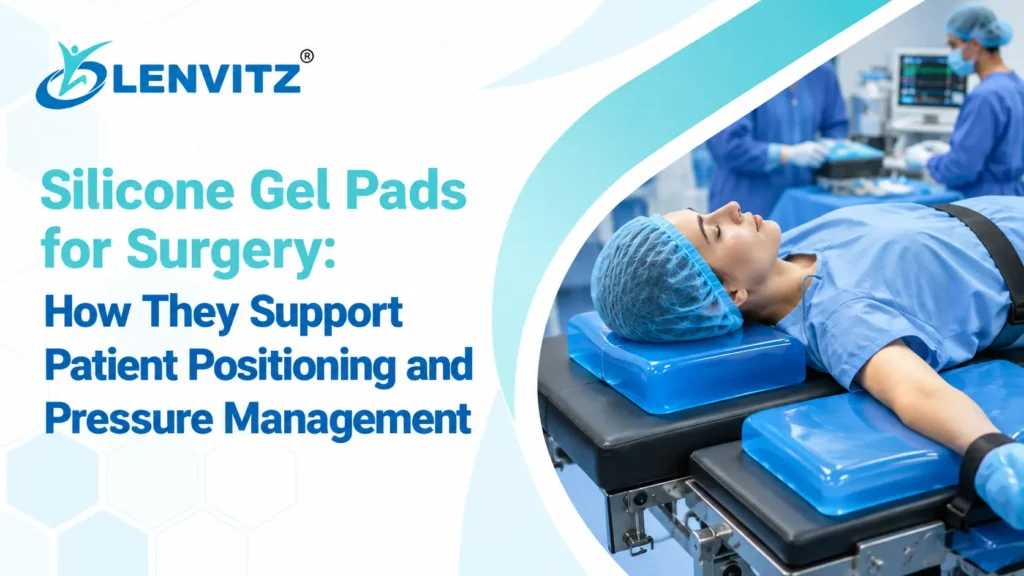
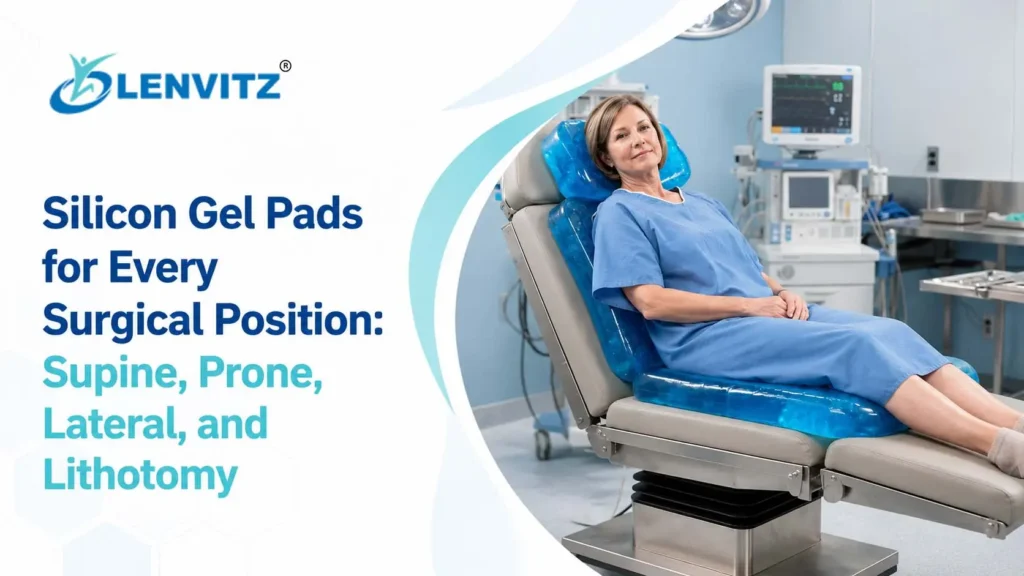
Silicone gel pads are medical-grade positioning aids that simulate the sensation of human tissue, distributing the load over a larger area. They are important in bariatric surgery for preventing pressure injuries and maintaining stability on the OT table mat.
Silicone Gel Pads offer several advantages
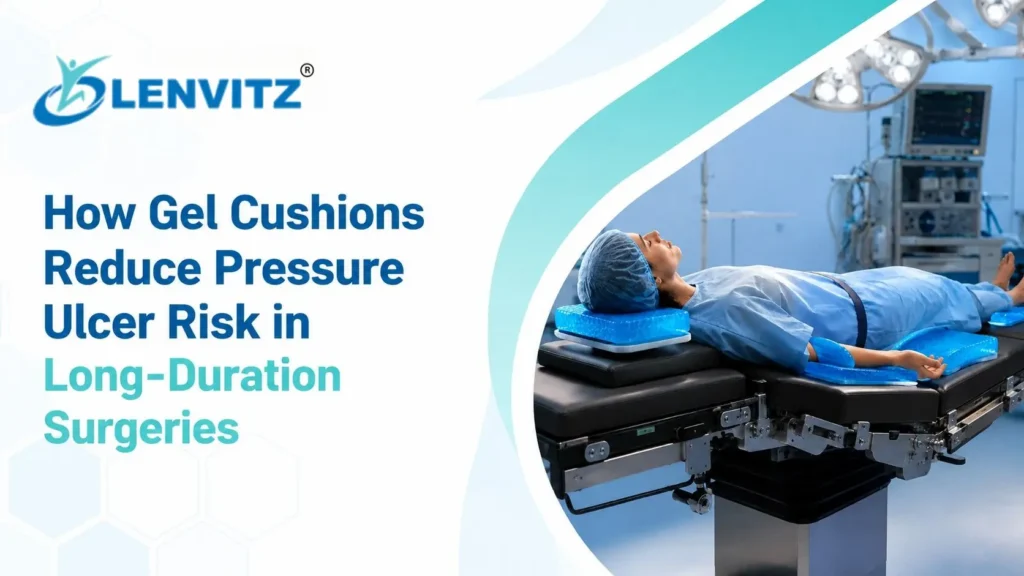
- Better pressure distribution: the gel moves and redistributes body weight, decreasing the peak pressure in the bony prominences like the sacrum, heels, and elbows.
- Strength in extreme conditions: high-quality silicone gel pads can withstand compression deformation and maintain their thickness upon prolonged operations.
- Comfort and micro-movement: they permit minor and controlled movements which minimise the shear forces and keep the patient immobile.
- Temperature neutrality: gel pads do not hold on to the heat like certain foams, thus ensuring skin integrity.
Support infection control procedures and endure multiple disinfection procedures. Easy cleaning and reuse: non-porous silicone surfaces facilitate infection control measures and can resist repeated disinfection treatments.
The system cushions the vulnerable areas of bariatric patients’ heels, arms, elbows, and sacrum. It does so without compromising support when patients lie on silicone gel pads on a heavy-duty OT table mat.
Important types of gel pads for bariatric surgery
Bariatric positioning requires providing specialised support to various body parts. A full system consists of multiple types of gel pads and the primary OT table mat.
Certain heavy-duty OT table mats can include an inbuilt silicone gel layer. This is especially useful in high-pressure areas such as the sacrum and scapula. This design:
- Lowers the pressure on the trunk and upper body.
- Reduces bottoming out in obese patients.
- Improves the stability of reverse Trendelenburg and lateral tilt.
In the case of hospitals acquiring individual parts, the OT table mat and external gel pads must be equal in size, thickness and surface finish.
Arm Rest Gel Pad
This can be done to the arms in bariatric surgery in arm boards or against the sides. Unless sufficiently covered, both positions may put tension on the ulnar nerve and the brachial plexus. An armrest gel pad:
- Pad the arm board with the forearm and elbow.
- Ease the pressure on the ulnar nerve in the elbow.
- Prevents palsies in nerves and postoperative pain in the arms.
- Secures the limb to prevent the arm supports from falling off.
High-risk, high-BMI patients should be placed on a stable arm board with a dedicated Arm rest gel pad placed over it on the OT table mat.
Heel Pad
The most sensitive areas during any extended surgery include the heels. Focal pressure is increased in a bariatric case where the weight on the lower limb is very high. A heel pad composed of silicone gel:
- Shifts the heel bone load to the tissue surrounding it.
- Reduces the risk of pressure ulcers at the calcaneus.
- Can be moulded to put slightly off the ankle heel, even though it supports the ankle.
- Operates successfully in supine and lithotomy.
A heel pad on the top of the OT table mat, under the legs, is an inexpensive yet easy-to-implement measure that helps minimise a highly prevalent cause of postoperative complications.
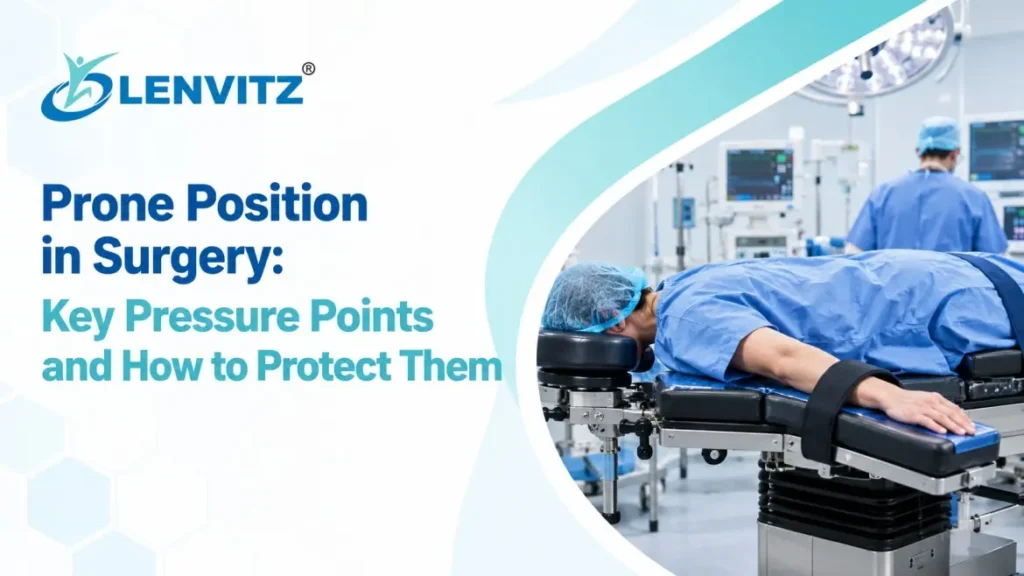
Gel pads for the prone position
The Prone position, in which the patient lies on their back, is necessary for some bariatric, spinal, or posterior procedures. This makes the pressure focused on:
- Face and forehead
- Chest and breasts
- Knees, ankles, and iliac crests.
Prone position special silicone gel pads are meant for:
- Cut-outs on both faces to protect the eyes, nose, and mouth, and to keep the airways open.
- Chest and pelvic supports are used to protect the abdomen and permit ventilation and venous drainage.
- To prevent joint and nerve compression, knee and ankle supports are used.
Prone positioning on a bariatric OT table with dedicated prone-position gel pads is the safest combination for patients who are heavy and have long spine or rear surgery.
Improving the results of Gel Pads and OT Table Mats
At several levels, a combination of a heavy-duty OT table mat and silicone rubber gel pads will benefit patient safety, clinical performance, and hospital effectiveness.
Clinical advantages
- Reduction in the rates of pressure injuries, even in extended bariatric operations.
- Less nerve compression of the upper and lower extremities.
- Enhanced respiratory mechanics by means of enhanced positioning and stability.
- Fewer intra-operative repositions help preserve sterility and conserve staff time.
Financial and operational advantages
- A decrease in the cost of postoperative wound care and the treatment of pressure ulcers.
- Reduced complications of positioning, enhanced patient satisfaction and outcomes.
- Extended shelf life compared to entry-level foam pads, which reduces the replacement rate and overall cost of ownership.
- Provision of accreditation and quality standards in regard to patient pressure care and safety.
Using a bariatric-rated OT table mat, enhanced with durable silicone gel pads, allows hospitals to provide ongoing, safe, and effective care for high-BMI and high-risk surgical patients. Adopting this equipment as standard practice supports better patient outcomes and aligns with the primary goal of minimising surgical risks in bariatric cases.
Key Questions Buyers Often Ask
High‑quality medical‑grade silicone gel pads are designed for repeated use when cleaned according to manufacturer instructions. They are non‑porous, latex‑free, and resistant to most disinfectants used in hospitals.
Lifespan depends on material quality and usage frequency. A well‑constructed bariatric OT table mat typically lasts several years, especially when paired with protective gel pads that distribute load and reduce wear.
Yes. Silicon gel pads and the heavy‑duty OT table mat can be safely used for patients of all sizes. Bariatric‑rated products simply offer a higher safety margin for weight and pressure.
Most modern OT table mats and silicone gel pads are radiolucent, meaning they do not significantly interfere with X‑ray or C‑arm imaging. Buyers should always confirm this in the product specifications.